Top Rated in Orange County
Breast Augmentation Revision
Breast Augmentation Revision CASE STUDIES
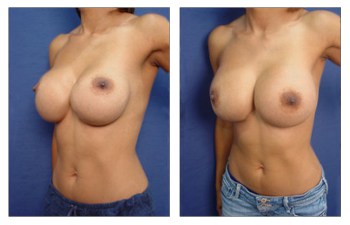

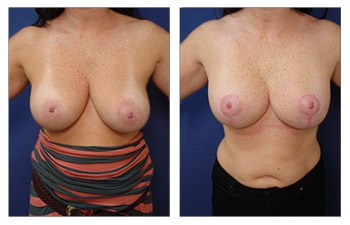
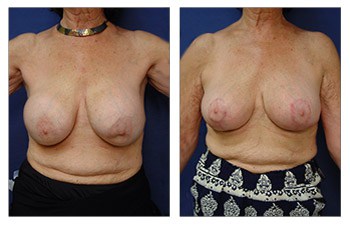
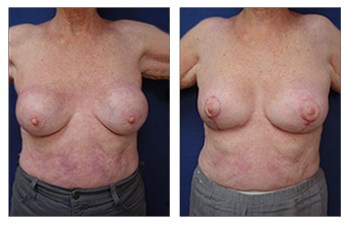
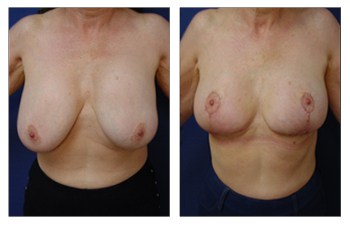
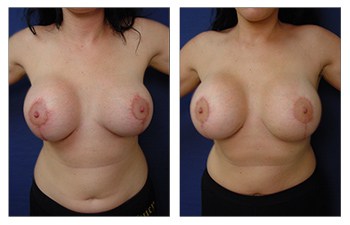
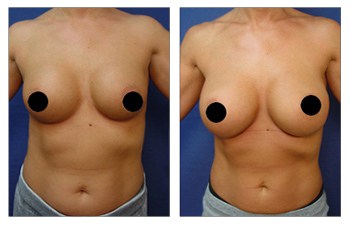
breast augmentation revision Surgery CASE STUDIES
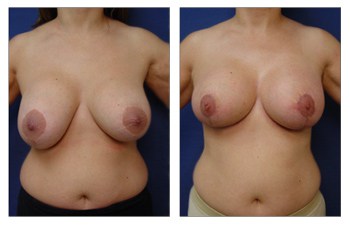


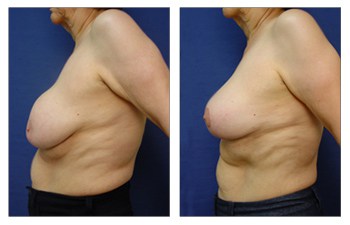

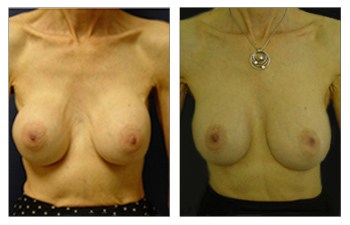
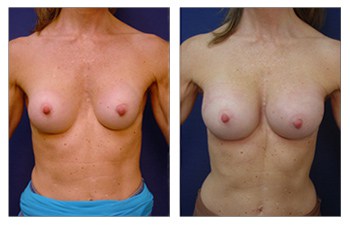
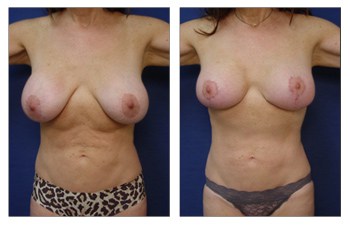

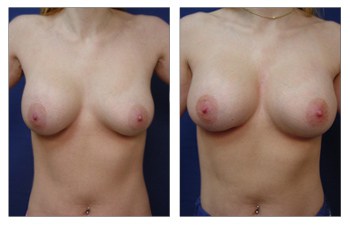
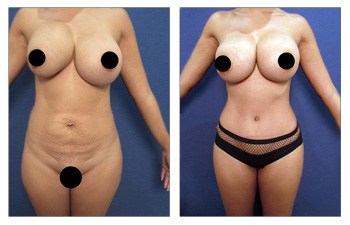

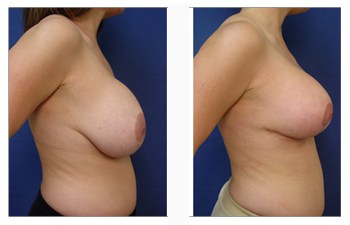

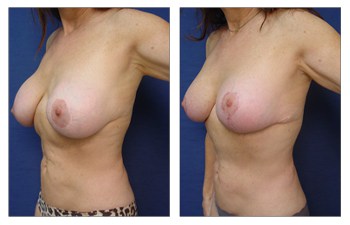

Breast Augmentation Revision
Breast Augmentation Revision Natrelle™ focuses on improving your breast appearance if you have previously undergone breast augmentation surgery but may be experiencing any one of the concerns below:
- You wish to have larger breasts following primary augmentation.
- You feel your breasts are asymmetric following primary augmentation.
- You have breast implants and have noticed tightening, firmness, and distortion of your breasts.
- You have noticed deflation and/or rupture of your implants following breast augmentation.
- You have noticed drooping of your nipples off of your breast implants and/or mounds due to the natural aging process.
- You have noticed malposition of your breast implants resulting in breast asymmetry (i.e. breast implants that have lateralized, i.e. displaced into the armpits) especially noticeable when lying on your back.
- You who have noticed the loss of your inframammary crease (i.e. bottoming out) with the resulting dropping of your implants below the breast mound.
Orange County breast specialist Dr. Paris and his staff are dedicated to helping you to restore your natural and aesthetically pleasing breast shape that may have been distorted following a previous breast augmentation surgery. Did you know that your insurance company could help with your breast augmentation revision surgery? Please contact our office to determine if you can qualify.
Why you should choose Dr. Paris for your breast augmentation revision
Our surgeons developed Breast Augmentation Revision Natrelle™ to ensure you reach your maximum potential following breast augmentation revision surgery. Breast Augmentation Revision Natrelle™ optimizes all aspects of your breast augmentation revision experience including your initial confidential consultation, an anxiety-free operation, comfortable postoperative recovery, a speedy return to full activity, and long-term results.
During your initial consultation with your surgeon, you will have the opportunity to convey exactly what your concerns are. The surgeon will complete a thorough history and physical examination, examine your breasts, and take detailed notes and measurements, ensuring your optimum results.
The Breast Augmentation Revision examination will take into account:
- Your breast mound size and any asymmetry
- Your nipple-areola complex positioning and any asymmetry;
- Your medial cleavage fullness or lack of;
- Your breast implant malposition when compared to breast mound positioning;
- Your inframammary crease definition and any asymmetry;
- Your breast projection and breast to abdomen silhouette;
- Your nipple-areola complex to inframammary crease distance and any asymmetry;
- Your breast skin and soft tissue thickness;
- Your pectoralis muscle tone and any asymmetry
You are encouraged to bring in your operative note and implant ID Card if these are available to you, in order to assist your surgeon in determining your customized breast augmentation revision surgery. You will have the opportunity to try on a full array of breast implant sizes and shapes so that you can determine the appropriate size and style of replacement implants. As part of your Breast Augmentation Revision Natrelle™ experience, the doctor and your patient coordinator will spend ample time detailing to you the preoperative planning and preparation that you will require, your customized operative plan, and your postoperative recovery and expectations. These steps are critical to ensuring optimum breast augmentation revision results.
Preoperative planning for your Breast Augmentation Revision procedure includes:
- Arranging for time off of work during your recovery period.
- Preparing meals and routine daily needs ahead of time.
- To wash with antimicrobial soap starting 4 days prior to surgery.
- Providing anti-anxiety medications on the night prior to as well as on the day of surgery.
- Administering long-acting anesthetic medications to minimize your postoperative discomfort
- Planning for a responsible adult to accompany you to and from surgery and for the first 72 hours following surgery.
Breast Augmentation Revision Natrelle™ focuses on several operative measures that are taken by your surgeon to optimize your results.
- Use of only FDA-approved breast implants to ensure the longevity of your implants.
- Provide perioperative antibiotics through your IV to minimize the risk of infection.
- Utilize extended surgical drapes to ensure sterility throughout your case.
- Utilize nipple-areola shields in order to avoid contamination of your implants from endogenous bacteria that normally live within the breast glands.
- Use of anatomic landmarks for pectoralis muscle release in order to ensure the symmetric release of muscles and subsequent symmetry of proposed breast implants pocket position.
- Use of non-powdered gloves as well as irrigation of surgeon’s gloves with antibiotics solution to avoid all irritants that could cause capsular contracture.
- Use of antibiotic solution to irrigate the surgical breast pocket and breast implants in addition to the surgeon’s gloves to minimize the risk of infection.
- Use of minimal touch technique when handling breast implant replacements prior to implantation.
- Use of sterile breast implant sizes prior to committing you to your final replacement implants.
- Maintaining an array of breast implant sizes and shapes on consignment at our surgery center so that adjustments in size can be considered during your operation should unexpected intraoperative findings be made.
- Placement of specialized breast garment, i.e. breast band, which ensures the maintenance of breast implant position and avoids implant malposition.
Finally, Orange County Breast Augmentation Revision Natrelle™ focuses on providing you a comfortable immediate postoperative period, speedy recovery, and long-lasting results.
- Use of long-lasting numbing solution instilled into your pocket prior to closing your incision lines so that you have a comfortable immediate postoperative recovery.
- Provide your superior grade anesthetic medications during your surgery in order to avoid postoperative nausea and grogginess.
- Provide you with generous bandages and garments that won’t have to be replaced until you dispense with them at your first postoperative visit.
- Educate you and train you to perform breast massage exercises, which will minimize the incidence of scar tissue formation, i.e. capsular contracture, and ensure long-term aesthetically pleasing breast shape.
It is not uncommon for Breast Augmentation Revision Surgery to require a simultaneous breast lift during your breast augmentation revision. By employing a simultaneous breast lift procedure, it is possible to correct breast mound shape asymmetry, to raise the position of the breast mound, to improve medial cleavage, and to ensure an optimum nipple-areola position. Breast augmentation cost is affected by multiple factors including implant style selection, the severity of breast deformity, the need for breast lift, and whether insurance coverage can be secured for your surgery. We encourage you to take advantage of our complimentary consultation so that you can be provided an accurate estimate for your breast augmentation revision surgery. We also encourage you to view breast augmentation revision before and after photographs so that you can appreciate the improvements that are feasible for you.
Revision Natrelle™ is dedicated to restoring your natural breast shape following prior breast augmentation surgery.
Natrelle™ is a trademark of Allergan Corporation.
Breast Augmentation Revision Procedure
Revision of prior breast augmentation surgery including correction of implant malpostion, breast pocket lateralization, implant deflation, breast mound asymmetry, breast mound deformity, capsular contracture, and implant size alteration or saline to silicone exchange.
Length
2 to 4 hours of operative time.
Anesthesia
General anesthesia
Place of Treatment
Outpatient surgical suite or hospital operating room.
Recovery
The recovery period for breast augmentation with a return to daily activities is usually 1 week. Patients are asked to forego physical activities and exercise for approximately 4 weeks.
Duration of Results
Patients who have undergone breast augmentation correction surgery can expect aesthetically pleasing results for several decades. Long term revisions may be needed if a breast becomes distorted (due to thickening of the capsule surrounding the implant, termed capsular contracture) or sagging of breast tissue off of the implant due to the normal aging process.
Side Effects
Side effects are events that may be experienced by patients as a result of your surgery and should not be considered adverse events. Our patients are counseled regarding these effects and if experienced they are tolerable and often temporary in duration.
a) High riding implants: Patient’s frequently notice high riding implants in the early postoperative period. The implants will drop into their desired, aesthetically pleasing position within 2 to 4 weeks. The tendency for the implants to sit high is countered by wearing of a breast band, which will be provided by your surgeon. The breast band will be worn for approximately 2 to 4 weeks until the implants fall into their desired space.
b) Numbness: Numbness can occur when sensory nerves are inadvertently traumatized during surgery, which involves creation of a pocket for the implants to sit in. Since these nerves are extremely small, they are not apparent to the naked eye and so unavoidable. Clinically, the peri-areolar incision has been associated with increased incidence of numbness since the dissection is closer to the nerves. Fortunately, numbness is an infrequent event and when present resolves itself over 2 to 3 months.
c) Capsule formation: Capsule formation refers to the normal formation of a scar around an implant. This scar should remain thin; but when thickened, it is termed capsular contracture and can result in distortion of the overlying breast. Capsular contracture is rarely observed with saline implants and has been minimally observed with the use of new generation silicone implants.
d) Hypertrophic scar: Hypertrophic scar refers to developing a thickened scar in the skin. Since most cosmetic surgeons use a similar technique for the closure of their skin incisions, whether or not you are at risk for this depends on the healing capacity of your body. Contrary to common knowledge, the better healer you are, the more likely that you may develop a thickened scar.
e) Mild asymmetry of breast size: Asymmetry of the breasts is considered only a side effect because most women have some degree of asymmetry. The surgeon must do his/her best to improve on any asymmetry. Any preoperative asymmetry should be improved upon to within a 5% difference in size between the two breasts.
f) Deflation: Deflation of the implants occurs at a rate of 1% per implant per year. So in 10 years there is a 10% chance of having an implant deflate.
Risks
Risks are unwanted events that may occur during or following surgery. These events are recognized as “complications” but their occurrence is minimized by appropriate patient selection, proper surgical decision making, effective surgical technique, and thorough preoperative and postoperative patient management.
a. Hematoma: Hematoma refers to the accumulation of blood in the early postoperative period, which pools into a surgical pocket. When the volume of accumulated blood is less than 10 % of the breast volume, the hematoma is left to resolve on its own. If larger than 10 % most surgeons will recommend a trip back to the operating room so that this hematoma can be removed.
b. Infection: An infection is one of the worse complications that can occur following breast augmentation surgery. An infection may require removal of your implant.
c. Asymmetry of breast shape: Asymmetry in shape is very different than asymmetry of size (described above) and occurs when the implant pockets have not been dissected accurately. If the breast pockets are dissected too medially, this can lead to the breast pockets connecting together resulting in a condition called symmastia.
d. Pneumothorax: A pneumothorax refers to the inadvertent puncturing of the lining that covers your lungs. This is a rare event but can occur since implants are placed under the pectoralis muscle. When dissecting under the muscle, only a few millimeters of tissue separate the breast pocket from the lung lining. If the lung lining is punctured, the surgeon will have to place a catheter into the lung cavity and seal the lung lining at the end of surgery. You will require overnight hospitalization and removal of the catheter the following day prior to going home.
BREAST AUGMENTATION REVISION - FREQUENTLY ASKED QUESTIONS
What is breast augmentation correction?
A Breast Augmentation Correction is a revision of prior breast augmentation surgery including correction of implant malposition, breast pocket lateralization, implant deflation, breast mound asymmetry, breast mound deformity, capsular contracture, and implant size alteration or saline to silicone exchange.
Am I a good candidate for Breast Augmentation Correction?
The best candidates for Breast Augmentation Correction surgery are women who are displeased with the appearance of their breasts mound appearance following primary breast augmentation surgery. Undesirable appearance of breast mound deformity may occur early due to surgical technical error or years following surgery due to the effects of gravity and implant aging.
What can I expect at my initial Breast Augmentation Correction consultation?
At your initial consultation, you and Dr. Mowlavi will discuss your concerns and goals regarding reversing undesirable breast deformity following breast augmentation. He will describe in detail what your Breast Augmentation Correction procedure will entail. Dr. Mowlavi will then perform a physical examination, after which you will decide together which specific surgical maneuvers are best suited for your situation. You will have the opportunity to review before and after photographs of patients that Dr. Mowlavi has corrected. Finally, a complimentary quote will be provided and explained in detail.
What are the risks and complications of Breast Augmentation Correction?
As with all surgical procedures, there are side effects and risks of surgery. Your Breast Augmentation Correction procedure may take anywhere between two to four hours of operative time to complete. In order to determine if you are a suitable candidate for this surgery, Dr. Mowlavi and our board Certified Anesthesiologist conduct a detailed review of your medical history, lab values, and if indicated, EKG results. If you are found to have any risk factors, Dr. Mowlavi may post-pone your surgery. Both Dr. Mowlavi and the Anesthesiologist participate in this process to determine if you are physically stable to proceed with the Breast Augmentation Correction surgery.
Side Effects: Side effects are events that may be experienced by patients as a result of your surgery and should not be considered adverse events. Our patients are counseled regarding these effects and if experienced they are tolerable and usually temporary in duration.
- High riding implants: Patient’s frequently notice high riding implants in the early postoperative period. The implants will drop into their desired, aesthetically pleasing position within 2 to 4 weeks. The tendency for the implants to sit high is countered by wearing of a breast band, which will be provided by your plastic surgeon. The breast band will be worn for approximately 2 to 4 weeks until the implants fall into their desired space.
- Numbness: Numbness can occur when sensory nerves are inadvertently traumatized during surgery, which involves creation of a pocket for the implants to sit in. Since these nerves are extremely small, they are not apparent to the naked eye and so unavoidable. Clinically, the peri-areolar incision has been associated with increased incidence of numbness since the dissection is closer to the nerves. Fortunately, numbness is an infrequent event and when present resolves itself over 2 to 3 months.
- Capsule formation: Capsule formation refers to the normal formation of a scar around an implant. This scar should remain thin; but when thickened, it is termed capsular contracture and can result in distortion of the overlying breast. Capsular contracture is rarely observed with saline implants and has been minimally observed with the use of new generation silicone implants.
- Hypertrophic scar: Hypertrophic scar refers to the development of a thickened scar in the skin. Since, most plastic surgeons use a similar technique for closure of their skin incisions, whether or not you are at risk for this depends on the healing capacity of your body. Contrary to common knowledge, the better healer you are the more likely that you may develop a thickened scar.
- Mild asymmetry of breast size: Asymmetry of the breasts is considered only a side effect because most women have some degree of asymmetry. The surgeon must do his/her best to improve on any asymmetry. Any preoperative asymmetry should be improved upon to within a 5% difference in size between the two breasts.
- Deflation: Deflation of the implants occurs at a rate of 1% per implant per year. So in 10 years there is a 10% chance of having an implant deflate.
Risks: Risks are unwanted events that may occur during or following surgery. These events are recognized as “complications” but their occurrence is minimized by appropriate patient selection, proper surgical decision making, effective surgical technique, and thorough preoperative and postoperative patient management.
- Hematoma: Hematoma refers to the accumulation of blood in the early postoperative period, which pools into a surgical pocket. When the volume of accumulated blood is less than 10 % of the breast volume, the hematoma is left to resolve on its own. If larger than 10 % most surgeons will recommend a trip back to the operating room so that this hematoma can be removed.
- Infection: An infection is one of the worse complications that can occur following breast augmentation surgery. An infection may require removal of your implant.
- Asymmetry of breast shape: Asymmetry in shape is very different than asymmetry of size (described above) and occurs when the implant pockets have not been dissected accurately. If the breast pockets are dissected too medially, this can lead to the breast pockets connecting together resulting in a condition called symmastia.
- Pneumothorax: A pneumothorax refers to the inadvertent puncturing of the lining that covers your lungs. This is a rare event but can occur since implants are placed under the pectoralis muscle. When dissecting under the muscle, only a few millimeters of tissue separate the breast pocket from the lung lining. If the lung lining is punctured, the surgeon will have to place a catheter into the lung cavity and seal the lung lining at the end of surgery. You will require overnight hospitalization and removal of the catheter the following day prior to going home.
How is a Breast Augmentation Correction procedure performed?
Since breast augmentation surgery will require general anesthesia, it may be performed in an operating room that is part of a hospital institution or outpatient surgery center. Frequently, patients may be operated on in an in-house office based operating room, but it is of utmost importance for patients to make sure that a surgical accreditation body such as AAAASF accredits the office facility.
The surgery involves placement of accurate preoperative markings including: the midline of the chest, the incision line (determined by the approach used), the inframammary crease (fold under the breast), as well as the pocket that is going to be dissected or repositioned to fit the implant. The pocket size and position is determined by the correction that you need. Following removal of your implants, breast pocket alteration, and implant replacement, Dr. Mowlavi will position you in several positions including sitting upright and all the way on your back to ensure that appropriate correction maneuvers have been performed. Dr. Mowlavi performs meticulous breast pocket adjustment including releasing areas that are tight(termed capsulotomy) and sewing down areas of the pocket that have loosened(termed capsulorrhaphy). When Dr. Mowlavi is satisfied with your new breast mound appearance and symmetry, he repairs your incisions in in multiple layers and using plastic surgery closure techniques to ensure protection of the implant and an aesthetically pleasing incision line.
What can I expect after Breast Augmentation Correction Surgery?
Patients will awaken from general anesthesia to find their breasts wrapped with Ace Wraps as well as a breast band. The Ace wraps are to support the implants in their newly created pocket. The breast band is to prevent the implants moving up on the chest wall or moving from their newly created position. Although this is not intuitive, for the first three weeks following surgery, breast implants tend to want to move up on the chest wall against gravity. The band counters this movement and ensures that the breast implant stay in the desired position.
Patients will feel sore throughout the first 2 to 3 postoperative days. By placing long lasting local anesthetic solution in the breast pockets prior to closing the incisions, this soreness is minimized. Patients are asked to avoid lifting of weights greater than 15 pounds for the first two weeks. Incision lines will be sealed with special tape (steri-strips) for the first month. Showering should be delayed until the 2nd day following surgery. Finally, exercise should be limited for the first 4 weeks until the incisions and the breast pocket have completely healed.
Where are the incisions following a Breast Augmentation Correction procedure?
The various approaches to primary breast augmentation include:
- Inframammary crease (in the breast fold): this approach provides the surgeon the best visualization of the breast pocket that he/she is dissecting thus ensuring breast symmetry following breast augmentation surgery. The most important advantage of this approach is that it provides the most direct access to the surgical pocket in the event that revision surgery is required.
- Periareolar (around the areola): when this incision heals well, it can be very well camouflaged. However, this incision is associated with several disadvantages including: surgical trauma to the breast glands, increased potential for nipple numbness, and poor scarring in the event revision surgery is required. Since the incision is circular, if opened a second time, it tends to contract into a straight line when healed thus distorting the areola.
- Transaxillary (in the armpit): This incision tends to hide well as long as you dont have to raise your arms as part of your occupation. However, it has several disadvantages including: more difficult dissection resulting in more difficulty obtaining symmetrical pockets, potential for arm numbness, potential for damaging large veins to the arm which if damaged could result in prolonged arm swelling, and a necessity to convert to another incision if a revision is necessary (revisions may include correcting asymmetry or to remove a thickened capsule scar). Breast implants using the armpit technique are usually placed under the pectoralis muscle.
Dr. Mowlavi performs all Breast Augmentation correction procedures through previous surgical incisions in order to avoid creation of further breast scars. He utilizes any peri-areolar or inframmammary crease incisions already present to gain access to your implant, to remove your implant, and to revise your breast pocket. Only when necessary, will Dr. Mowlavi extend these incisions in order to tuck/revise breast tissues that are redundant, droopy, and/or out of place.
Will I have scars following my Breast Augmentation Correction procedure?
Although surgical incision do look reddish and are evident at first, they progressively fade to pink and then blend to your natural color. Depending on the natural pigmentation of your skin, your incisions may fade and be nearly invisible. In general, Dr. Mowalvi’s surgical incisions should heal as fine lines. Dr. Mowlavi and his staff go to great lengths to ensure well healed incision lines utilizing an anti-scar topical silicone gel used for one month following surgery. In addition, Dr. Mowlavi may encourage several sessions of Intense Pulse Light Therapy (all complimentary) if he feels your incisions demonstrate prolonged redness.
When will I be able to return home after my Breast Augmentation Correction procedure?
Breast Augmentation Correction is an “Out Patient” surgery. You will be released to go home or to a facility of your choice after your surgery. We do offer “Recover Retreat” options, for patients who feel more comfortable having 24 hour post-operative nurturing by a registered nurse.
What type of anesthesia will be used for my breast augmentation surgery?
For the routine breast augmentation, the implants are placed in a submuscular plane which will require general anesthesia. For certain individuals, a subglandular (over the muscle) plane is recommended for which conscious sedation (sedation through intravenous medications only) will suffice.
When will I be able to return to work following breast augmentation surgery?
Patients can expect to return to work at the earliest at 4 to 5 days following surgery if they have a sitting job. In general, patients are recommended to take 1 week off if their work permits. Weight restrictions are set at 15 pounds for the first two weeks to guide patients who may have more physical jobs.
PATIENT-SPECIFIC QUESTIONS
Will you be placing the new implant over or under the muscle?
When you put an implant under the muscle you benefit in many ways. First, there is less scar formation around the implant, this is because the muscle continuously messages the implant and breaks up any scars that try to deposit around the implant. A thickened scar can lead to capsular contracture. Capsular contracture is a medical termed used to characterize a breast mound that is deformed by a thickened breast implant scar. In addition, implants tend to stick to surrounding tissues; when placed under the muscle, the implant is protected from sticking to the skin, termed tethering; the muscle gives a protective layer that prevents tethering of the skin, especially over the upper pole of the breast mound which can cause a contour deformity. Also, going under the muscle gives you a bigger cushion so that you are less likely to feel the implant. Finally and most importantly, by placing the implant under the muscle, you avoid dissection and distortion of the breast tissues and potential obstruction of breast cancer detection.
How do I choose my new implant size?
First, you have to decide whether you would like to have larger, smaller, or the same size breast size. Next, you have to find the implant size that you currently have in place. This can be determined by obtaining your old operative records or by finding your implant identification cards. Dr. Mowlavi’s staff can help you with this process. The best way to decide what size implants to replace your implants with is to come in for a consultation with Dr. Mowlavi at which time you and the doctor will use in-office breast sizers to figure out what the best size for you is.
For example, if you want to go larger, then we calculate which replacement implant size to use by adding the volume of sizer chosen to the volume of implants you already have in place. Dr. Mowlavi also utilizes intraoperative sizers to ensure that the appropriate volume implant is chosen prior to committing you to the final implant volume chosen.
Will my new implants last forever or will I need to have surgery again?
Breast implants are made of a thin solid silicone shell filled with silicone gel. Although, the new generation (4th generation) implants are very hardy, there is a small risk of implant deflation with time. Deflation rates are very low and have been estimated to be 1% per year. This means that over a 10 year period there is a 10 % chance of your breast implants deflating. As such, you may never experience deflation and may keep your first set of implants forever.
What change can I expect after my Breast Augmentation Correction Surgery?
Patients who undergo breast augmentation correction surgery are extremely satisfied with their surgery and will notice immediate improvement of their breast shape with resolution of breast shape deformities, asymmetries, and breast sag. A thorough preoperative assessment, safe intraoperative course, and close monitoring with frequent postoperative visits ensures that patients experience a speedy recovery and a return to a more productive and rewarding life. Patients are extremely pleased following breast augmentation correction surgery and radiate increased physical and mental confidence.
Where will my Breast Augmentation Correction surgery be performed?
Since breast augmentation correction surgery will require general anesthesia, it may be performed in an operating room that is part of a hospital institution or outpatient surgery center. Frequently, patients are operated on in an in-house office based operating room, but it is of utmost importance for patients to make sure that a surgical accreditation body such as AAAASF accredits the office facility. For some patients, their insurance can be used to offset costs, which will necessitate that their surgery be performed at a hospital setting.
When will I be able to return to work after surgery?
Patients can expect to return to work at the earliest at 4 to 5 days following surgery if they have a sitting job. In general, patients are recommended to take 1 week off if their work permits. Weight restrictions are set at 15 pounds for the first two weeks to guide patients who may have more physical jobs. For patients with jobs requiring strenuous labor, and depending on the correction surgery chosen, three to four weeks of recovery may be required.
What should I expect after Breast Augmentation Correction surgery?
Patients will awaken from general anesthesia to find their breasts wrapped with Ace Wraps as well as a breast band. The Ace wraps are to support the implants in their newly created pocket. The breast band is to prevent the implants moving up on the chest wall. Although this is not intuitive, for the first three weeks following surgery, breast implants tend to want to move up on the chest wall against gravity. The band counters this movement and ensures that the breast implant stay in the desired position.
Patients will feel sore throughout the first 2 to 3 postoperative days. By placing long lasting local anesthetic solution in the breast pockets prior to closing the incisions, this soreness is minimized. Patients are asked to avoid lifting of weights greater than 15 pounds for the first two weeks. Incision lines will be sealed with special tape (steri-strips) for the first month. Showering should be delayed until the 2nd day following surgery. Finally, exercise should be limited for the first 4 weeks until the incisions and the breast pocket have completely healed.
How much scaring should I expect after Breast Augmentation Correction surgery?
Special plastic surgical techniques for closure of the incisions are utilized to minimize scarring including:
- Closure in multiple layers so that the tension is taken off the skin
- Specialized sutures, which will stabilize the incision line for several months
- Specialized Band-aid dressings that create a pressure effect on the incision line, thus preventing scar formation.
In the event that individuals do develop prominent scarring, we can offer laser therapy, steroid injections, and even medical tattooing.
What kinds of deformity are addressed by breast augmentation correction procedures?
Revision of prior breast augmentation surgery including correction of implant malpostion, breast pocket lateralization, implant deflation, breast mound asymmetry, breast mound deformity, capsular contracture, and implant size alteration or saline to silicone exchange are all procedures that Dr. Mowlavi specializes in.
Please review Dr. Mowlavi’s before and after photographs under the Breast Augmentation Correction Gallery to appreciate the various corrections performed by Dr. Mowlavi.
What is breast pocket lateralization?
Breast pocket lateralization refers to breast implants that have fallen off of the breasts and into the arm pit area. This can be best appreciated when you lay down on your back. Patients who consult Dr. Mowlavi for breast augmentation correction are examined both in an upright as well as on their backs to detect lateralization. Breast lateralization is corrected by repositioning the breast pocket from the armpit area up to the chest proper. The lateralized pocket is closed off intra-operatively by a series of stitches placed along the border of the chest wall.
What causes implant malposition?
Implant malposition is a term that refers to a breast implant that has moved away or fallen out of the breast mound proper. The ideal implant position is directly underneath the nipple areola complex. When the implant is dislodged from this position, it will cause a number of breast deformities. The most common implant malposition observed, is when the implant falls below the natural crease of the breast, called the inframammary crease. When this occurs soon after primary breast augmentation, this can be due to poor surgical technique resulting from inadvertent release of the inframammary crease supporting elements. If it occurs over several years, it can be due to the patient’s intrinsically weak inframammary crease structure elements.
Dr. Mowlavi can correct this deformity as part of your breast augmentation correction procedure by re-establishing and/or reinforcing the inframammary crease elements.
What is capsular contracture?
Capsular contracture is a term that refers to deformity of your breast that is caused by thickening of the breast capsule that naturally forms and surrounds your implants. If this capsule thickens, then it will tighten around your breast implant making it feel firm and it will pull on the overlying breast skin and ultimately distort your breast mound. As part of your breast augmentation correction, Dr. Mowlavi will removal all the thickened scar tissue as necessary to return your breasts to their natural soft feel.
Why would I consider replacing my saline implants with silicone?
Numerous studies have been performed to compare the results of saline versus silicone implants in breast augmentation surgery. Although no preference has been observed in over-all satisfaction between saline versus silicone breast implants, women with saline implants have noticed slightly firmer feel of their breasts when compared to women with silicone implants. This difference in feel is more pronounced in thinner women when compared to average sized women. Thus, patients who have lost weight or who have thinned out skin may elect to exchange their saline for silicone implants.
I know that implants can be placed either over or under the muscle. It seems like everyone I know is getting implants placed under the muscle. Why is that?
When you put an implant under the muscle you benefit from three things. First there is less scar formation around the implant, this is because the muscle continuously messages the implant and breaks up any large scar depositions. In addition, implants tend to tether the overlying skin which is caused by the implant sticking to the skin; The muscle gives a protective layer that prevents tethering of the skin, especially over the upper pole of the breast mound. In addition, going under the muscle gives you a bigger cushion so that you are less likely to feel the implant. But most importantly, by placing the implant under the muscle, you avoid dissection through the breast tissue and subsequently improve detection of breast cancer.
What happens if the implant hardens or deflates somewhere down the line?
It used to be that deflation rates were 1% per year per implant. That meant that you could tell a client to expect a 20% chance of one of their implants deflating over a 10 year period. However, due to the wonderful improvements in implant technology that we have witnessed over the last couple of years, the most current statistics have shown a 3 to 7 % rate of deflation over 10 years. These studies have been performed by the Mentor and Inamed Corporations, both of which provide extended 10 year implant warranties.