
Top Rated in Orange County
Gynecomastia
Male breast surgery CASE STUDIES

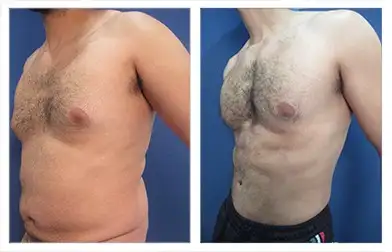
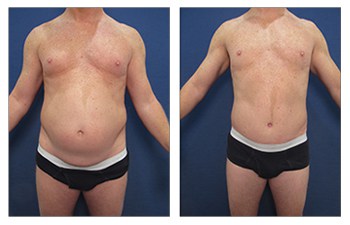
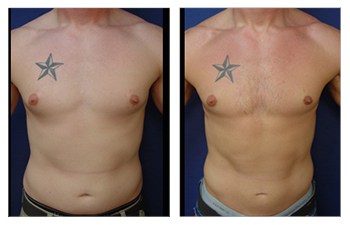
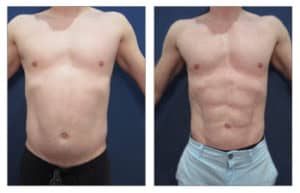

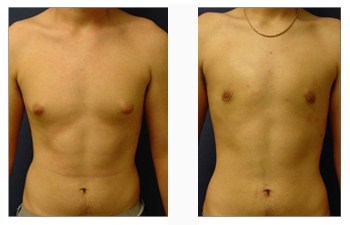
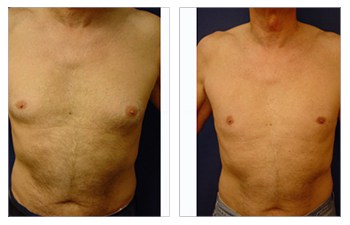
Gynecomastia CASE STUDIES
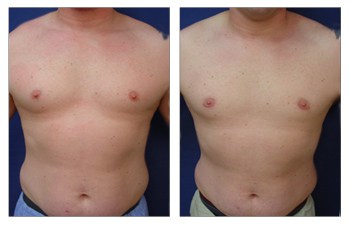
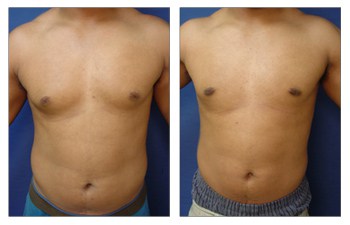


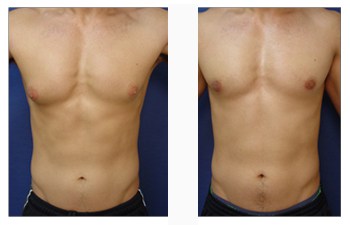
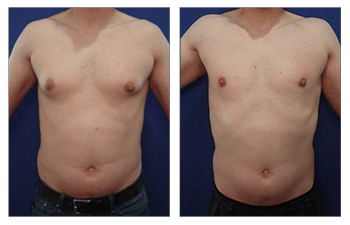
Gynecomastia
The community well regards Dr. Paris for his artistry in performing gynecomastia surgery. Dr. Paris has developed Gynecomastia Natrelle™ to ensure that each patient attains their maximum potential following gynecomastia surgery. Gynecomastia Natrelle™ optimizes all aspects of your male breast surgery experience, including your initial confidential consultation, an anxiety-free operation, comfortable postoperative recovery, a speedy return to full activity, and long-term results.
During your initial gynecomastia consultation with Dr. Paris in Newport Beach, you will have the opportunity to tell him exactly your concerns. In order to ensure optimum results, Dr. Paris evaluates your chest contour before your gynecomastia surgery by breaking down your breast into four to five independent regions. Separating each breast into several regions allows Dr. Paris to accurately assess the degree of excess fat/fibrous tissue and degree of skin redundancy to ensure optimum breast contouring results.
When the degree of fat/fibrous tissue excess is associated with minimal to moderate skin redundancy then you are an ideal candidate for the limited incision gynecomastia repair. Infrequently, patients with severe breast skin redundancy will be recommended to undergo en-block resection of the breast skin.
Procedure
Depending on the amount of excess fat, glandular tissue, and/or skin tissue over the breast, the patient can expect a surgery requiring liposuction, direct excision of glandular tissue, and/or direct excision of fat, glandular tissue, and redundant skin. For patients with minimal sagging skin, minimal glandular tissue, but excess fat, liposuction only may be sufficient. However, most patients present with excess glandular tissue underlying the nipple-areola which requires direct excision of the glandular tissue using an infra-areola incision. In severe cases of skin redundancy and breast sagging, direct excision of redundant skin and excess fat is required in order to avoid a deflated and overly sagging breast that would result with liposuction alone. In these patients, the nipple-areola complex will require removal, trimming, and skin grafting.
Length
1 to 4 hours
Anesthesia
Local anesthesia combined with intravenous sedation or general anesthesia depending on the complexity of the surgery required
Place of Treatment
The outpatient surgical facility, office-based surgical facility, or at a hospital
Side Effects
- Numbness: Swelling after surgery usually results in loss of feeling in the breast and nipple area during the first several weeks. This impairment is typically temporary and resolves within a few months.
- Scarring: Incisions may be lumpy and red for a few months, but incisions become less apparent over time and can even fade to thin white lines. In general, due to improvements in suture quality, patients can expect superior results today when compared to just a decade ago. It is important to acknowledge that smoking impedes the healing process and will result in more prominent surgical scars in patients who smoke.
- Breast/Nipple asymmetry: Breasts may not be the same size and shape and nipples could be positioned unevenly depending on the degree of preoperative asymmetry. Furthermore, when liposuction is used, you may experience uneven contouring or skin redundancy that should tighten over time.
Risks
- Hematoma: Hematoma refers to the accumulation of blood in the early postoperative period which pools into a dissected pocket. Hematomas provide a perfect medium for harboring the growth of bacteria. In fact, if the patient has an infection anywhere in the body, the bacteria will travel through the bloodstream and resettle in the hematoma; this can lead to an infection and subsequent wound development. In order to avoid a hematoma, drains can be placed in surgery so that any fluid accumulation can be drained. In addition, patients are evaluated preoperatively to make sure that they do not have a blood clotting deficiency. Finally, patients are asked to wear a breast compression garment at all times for the 1st two weeks to prevent hematoma formation.
- Seroma: Seroma formation refers to the accumulation of plasma fluid in pockets created by the surgical elevation of the soft tissue and disruption of vessels. This fluid may accumulate if the patient’s blood count is low and/or the patient’s nutrition poor. When nutrition is poor, protein levels in the blood are diminished which promotes leakage of this plasma fluid out of vessels. This fluid can be a nuisance to patients often requiring several aspirations in the office prior to its resolution. More importantly, these plasma fluid pockets may harbor bacterial growth and result in a clinical infection. Drains can be placed in surgery and are very effective in preventing seroma formation. Additionally, patients are asked to wear a breast compression garment over the 1st two weeks to prevent seroma formation.
- Infection: An infection can occur after gynecomastia surgery and result in disruption of surgical incision lines and may leave the patient with an open breast wound. Prolonged antibiotics may be required to fight infection and to prevent further extension of the infection. Risk of infections is avoided by using the sterile technique, using intra-operative antibiotics, and sealing all incisions sites so that bacteria can’t get in through external contact. In addition, infections are less likely in patients who don’t smoke cigarettes or in smokers who quit smoking for at least 1 month prior to surgery.
- Pulmonary embolism: Blood clots may form in leg veins during any surgery when the patient is under general anesthesia. Patients with a leg vein clot will complain postoperatively of pain in their calves. The patient with this complaint should be taken seriously and treated if a vein clot is diagnosed. Early treatment of patients with a deep leg vein will avoid migration of leg vein clots to the heart and lungs causing a pulmonary embolism. Even though pulmonary emboli are rare, pulmonary emboli are the leading cause of death after surgery. Pulmonary emboli must be detected early by performing a CT Scan and should be treated urgently.
- Skin edge compromise/death: The skin incision can be disrupted if the skin edge is vascularly compromised and/or dies or if there is a local infection. This complication is best avoided by counseling patients on the terrible consequences of nicotine in cigarettes. Nicotine will literally clog all the small vessels found in the skin which are critical for the delivery of nutrients and healing of the skin edge. Gynecomastia surgery patients are usually mandated to quit smoking for at least 1 month prior to surgery. In addition, uncontrolled diabetes can lead to the undesired sloughing of the skin. Diabetic patients are urged to be vigilant about controlling their blood sugar levels prior to surgery. If patients develop an open wound, they will require prolonged local wound care with frequent dressing changes. Unfortunately, any delays in the healing of the skin edges will compromise your aesthetic outcome.
Recovery
Most Patients can return to work and resume most normal activities 7 to 10 days after surgery. Strenuous activities such as heavy lifting can usually be performed 4 weeks after surgery.
Duration of Results
Breast reduction in men usually yields permanent results unless patients experience significant weight gain or continue the consumption of causative agents. Identified causative agents are numerous and have included consumption of alcohol, marijuana, and chronically prescribed steroids.
FREQUENTLY ASKED QUESTIONS
Am I a good candidate for gynecomastia surgery (male breast surgery)?
You should only consider gynecomastia surgery surgery if you are in good general health and have matured both physically and emotionally. Men who have firm, elastic skin will achieve the best results from male breast surgery and will require less extensive surgical measures. Male breast surgery is recommended for patients who feel dissatisfied with their breast size and shape following completion of breast development. Patients who are seeking surgical correction of their breast appearance should consider clinical evaluation for the cause of their breast enlargement. Clinical evaluation is important as it can unveil more serious physiological disorders and as it can prevent recurrence. Patients who consume large amounts of alcohol, are prescribed steroids, or smoke marijuana must be counselled against risk of reoccurrence.
What does male gynecomastia surgery (male breast surgery) involve?
Depending on the amount of excess fat, glandular tissue, and skin that a patient has, liposuction, direct excision, or both may be necessary. For patients with minimal sagging skin, minimal glandular tissue, but excess fat, liposuction only may be sufficient. With liposuction, a small incision that is less than ½ a cm in length is created at the edge of the areola to insert a thin, hollow tube which breaks down and removes excess fat. However, most patients present with excess glandular tissue underlying the nipple areola which then requires extension of the infra areolar liposuction injection site to approximately a 1 inch incision in order to allow for removal of the excess glandular tissue in addition to liposuction of the excess fat. In severe cases of skin redundancy and male breast sagging, direct excision of redundant skin and excess fat is required in order to avoid a deflated and overly sagging breast that would result from liposuction alone. In these cases, surgical incisions are placed strategically to allow for final surgical incisions in the shape of a “male breast plate” often seen in steel armor photos. In these cases, it is also necessary to remove and resize the nipple areola complex prior to replacing them at a natural and youthful position by skin grafting techniques.
How do I plan my gynecomastia surgery (male breast surgery)?
On your initial visit, your surgeon will evaluate your health status by obtaining blood work and encourage you to seek consultation by your primary care or endocrinology physician to consider a clinical work up for the cause of your enlarged breasts. Your surgeon may examine you to rule out obvious medical causes of breast enlargement, such as impaired liver function, use of estrogen-containing drugs or steroids, or obesity. If your breasts are enlarged due to medically threatening conditions, your surgery may be postponed.
If you are 40 years or older, have had a personal or family history of breast symptoms (tenderness, lumps, nipple discharge), or contain suspicious lesions following your breast examination, you will be asked to obtain a mammogram. The mammogram will not only rule out breast cancer it will also let your surgeon know what kind of breast composition needs to be treated which will dictate surgical techniques required for your surgery. If you are a smoker, you should quit for 1 month prior to your breast reduction surgery to minimize skin tissue compromise. In addition, it is prudent to quit smoking for 6 weeks following surgery to ensure well-healed surgical incision lines. Finally, you will need to arrange for a friend or a spouse to care for any small children who may need to be lifted since you will be sore for the first couple days following surgery.
How do I prepare for gynecomastia surgery (male breast surgery)?
Since your surgery may require general anesthesia you must take several precautions prior to surgery. First, you will have to avoid eating and drinking after midnight on the day before surgery. This precaution ensures that your stomach is clear of digested foods that could potentially be aspirated into your lungs during induction of anesthesia. Since, you will have anesthetic medications administered throughout the case; you will remain groggy for several hours and will require a ride to and from the surgery center. You should choose a caretaker who is conscientious and who can spend the first night with you.
What results can I expect after gynecomastia surgery (male breast surgery)?
Breast reduction in men usually yields permanent results unless patients experience significant weight gain or continue consumption of causative agents. You should expect permanent surgical scarring, but your surgeon will try to conceal the scars in natural contours of the breast. By providing a thorough preoperative workup, safe intraoperative course, and frequent postoperative visits, patients should expect a speedy recovery and return to a more aesthetically pleasing physique and more comfortable lifestyle. Men who undergo gynecomastia surgery are extremely satisfied with their flattened and better-contoured chest and gain immense self-confidence after surgery.
Where will my gynecomastia surgery (male breast surgery) be performed?
Depending on the method of breast reduction and type of anesthesia, gynecomastia surgery can be performed at a hospital, outpatient surgical facility, or office-based surgical facility. If general anesthesia is required, the surgery must be performed in an operating room that is part of a hospital institution or an outpatient surgery center. Patients operated on at an office-based operating room must verify that the office facility is accredited by a surgical accreditation body such as AAAASF.
What type of anesthesia will be used for my gynecomastia surgery (male breast surgery)?
Depending on the complexity of your surgery, your surgeon will either recommend intravenous sedation in combination with local anesthesia or general anesthesia. The type of sedation that you will require will be discussed with you by your plastic surgeon during the consultation for gynecomastia surgery.
What should I expect after gynecomastia surgery (male breast surgery)?
Regardless of the surgical technique, patients will experience bruising, swelling and discomfort for the first few days after surgery. Pain medication and antibiotics will be prescribed by your physician to address these problems. After surgery, you must wear an elastic pressure garment for 1 to 2 weeks at all times and for two more weeks only at nights. Stitches are all internal and external tapes remain in place for one month. Generalized swelling will resolve over the first month. Strenuous activities such as heavy lifting should be avoided for about 4 weeks, but patients can usually return to work and resume light activities within 7 to 10 days after surgery.
When will I be able to return to work following gynecomastia surgery (male breast surgery)?
Patients can usually return to work in 7 to 10 days if their job does not include heavy physical stress. Patients with more strenuous jobs will require 4 weeks prior to returning to work.
Are there any side effects associated with gynecomastia surgery (male breast surgery)?
a) Numbness: Swelling after surgery usually results in loss of feeling in the breast and nipple area during the first several weeks. This impairment is typically temporary and resolves within a few months.
b) Scarring: Incisions may be lumpy and red for a few months, but incisions become less apparent over time and can even fade to thin white lines. In general due to improvements in suture quality, patients can expect superior results today when compared to just a decade ago. It is important to acknowledge that smoking impedes the healing process and will result in more prominent surgical scars in patients who smoke.
c) Breast/Nipple asymmetry: Breasts may not be the same size and shape and nipples could be positioned unevenly depending on the degree of preoperative asymmetry. Furthermore, when liposuction is used, you may experience uneven contouring or skin redundancy that should tighten over time.
Are there any risks associated with gynecomastia surgery (male breast surgery)?
a) Hematoma: Hematoma refers to the accumulation of blood in the early postoperative period which pools into a dissected pocket. Hematomas provide a perfect medium for harboring growth of bacteria. In fact, if the patient has an infection anywhere in the body, the bacteria will travel through the blood stream and resettle in the hematoma; this can lead to an infection and subsequent wound development. In order to avoid a hematoma, drains can be placed in surgery so that any fluid accumulation can be drained. In addition, patients are evaluated preoperatively to make sure that they do not have a blood clotting deficiency. Finally, patients are asked to wear a breast compression garment at all times for the 1st two weeks to prevent hematoma formation.
b) Seroma: Seroma formation refers to the accumulation of plasma fluid in pockets created by surgical elevation of the soft tissue and disruption of vessels. This fluid may accumulate if the patient’s blood count is low and/or the patient’s nutrition poor. When nutrition is poor, protein levels in the blood are diminished which promotes leakage of this plasma fluid out of vessels. This fluid can be a nuisance to patients often requiring several aspirations in the office prior to its resolution. More importantly, these plasma fluid pockets may harbor bacterial growth and result in a clinical infection. Drains can be placed in surgery and are very effective in preventing seroma formation. Additionally, patients are asked to wear a breast compression garment over the 1st two weeks to prevent seroma formation.
c) Infection: An infection can occur after gynecomastia surgery and result in disruption of surgical incision lines and may leave the patient with an open breast wound. Prolonged antibiotics may be required to fight an infection and to prevent further extension of the infection. Risk of infections are avoided by using sterile technique, using intra-operative antibiotics, and sealing all incisions sites so that bacteria can’t get in through external contact. In addition, infections are less likely in patients who don’t smoke cigarettes or in smokers who quit smoking for at least 1 month prior to surgery.
d) Pulmonary embolism: Blood clots may form in leg veins during any surgery when the patient is under general anesthesia. Patients with a leg vein clot will complain postoperatively of pain in their calves. Patient’s with this complaint should be taken seriously and treated if a vein clot is diagnosed. Early treatment of patients with a deep leg vein will avoid migration of leg vein clot to the heart and lungs causing pulmonary embolism. Even though pulmonary emboli are rare, pulmonary emboli are the leading cause of death after surgery. Pulmonary emboli must be detected early by performing a CT Scan and should be treated urgently.
e) Skin edge compromise/death: The skin incision can be disrupted if the skin edge is vascularly compromised and/or dies or if there is local infection. This complication is best avoided by counseling patients on the terrible consequences of nicotine in cigarettes. Nicotine will literally clog all the small vessels found in the skin, which are critical for the delivery of nutrients and healing of the skin edge. Male breast surgery patients are usually mandated to quit smoking for at least 1 month prior to surgery. In addition, uncontrolled diabetes can lead to the undesired sloughing of the skin. Diabetic patients are urged to be vigilant about controlling their blood sugar levels prior to surgery. If patients develop an open wound, they will require prolonged local wound care with frequent dressing changes. Unfortunately, any delays in healing of the skin edges will compromise your aesthetic outcome.
PATIENT-SPECIFIC QUESTIONS
What is gynecomastia?
Gynecomastia is a condition in males where the breasts become enlarged and appear “female-like”. Patients with gynecomastia may have excess fat and/or glandular tissue as well as variable degree of redundant skin tissue.
What causes enlarged breasts in men?
The causes of enlarged breast in men are several and include: genetic predisposition or disorders, natural aging changes, puberty, obesity, steroid abuse, chronic liver disease, side effects of estrogen-containing medications, excessive drinking, drug abuse such as marijuana use, or certain brain or breast tumors. Enlarged breasts can be common in adolescent boys and are usually only temporary. Interestingly, enlargement of breasts may affect only one and not both breasts.
It is important to determine the cause of enlarged breasts prior to gynecomastia surgery in order to address any pertinent medical problems and discontinue any activities that may preclude you to recurrence of enlarged breasts. In rare cases, surgery may not be indicated.
Are enlarged breasts in men a dangerous condition?
Typically, enlarged breasts are not dangerous to a patient’s health. Although extremely rare, breast cancer may be a cause of enlarged breasts. Breast cancer should be considered when there is enlargement in only one breast because gynecomastia usually occurs in both breasts. When there is concern of breast cancer, patients must get a mammogram prior to surgery. Additionally, patients may harbor a brain tumor resulting in increased estrogen production which requires diagnosis and treatment prior to considering any breast surgery.
How common is gynecomastia?
Some studies have estimated that as many as 60-70% of males have gynecomastia. This condition is particularly common in newborns, adolescents, and older men. Males from these age groups have an exceptionally high frequency of gynecomastia due to drastic hormone fluctuations. An abnormal ratio of estrogens to testosterone in the body affects the growth of tissue in the breast region.
Will I need liposuction or excision of breast tissue during gynecomastia surgery?
The technique of gynecomastia surgery that you will require depends on the degree of redundant breast fat, glandular tissue, and skin that you have. Patients with firm skin, minimal glandular tissue, and excess fat may require liposuction only. However, most patients do present with excess glandular tissue and thus will require a combination of liposuction as well as direct excision of the glandular tissue underlying the nipple and areola complex. Less often, patients with extensive redundant skin and sagging breasts, may require direct excision of the breast skin, fat, and glandular tissue. In these patients, the nipple areola complex must be replaced as a skin graft.
Will there be any scarring?
When liposuction and/or direct excision of the glandular tissue is required, surgical incisions are limited and scarring not typically a concern. In contrast, when direct excision of the breast skin, fat, and glandular tissue is required, patients must be counselled about the surgical scars that will ensue. These scars are placed appropriately to mimic an “armor plate” and surgical incisions are repaired using meticulous technique. Although these scars typically remain red for a few months, they will eventually fade into thin white lines.
Will my insurance cover male breast surgery?
Since gynecomastia is usually not detrimental to a patient’s physical health, gynecomastia surgery is typically not covered by insurance companies. However, coverage policies may vary and in rare cases when it is documented that the enlarged breasts have resulted in psychological trauma to the patient, your plastic surgeon will help determine if insurance coverage is attainable.