Top Rated in Orange County
Post Bariatric Surgery
Post Bariatric Surgery CASE STUDIES
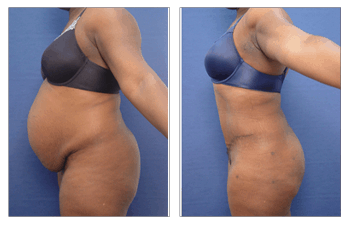
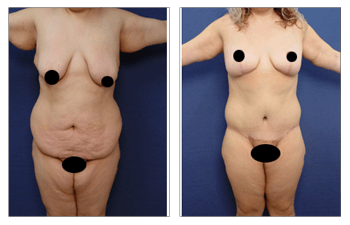


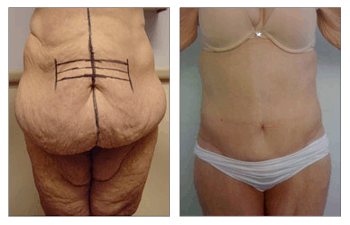
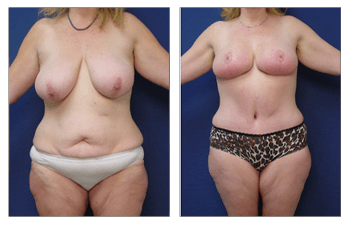
Post bariatric surgery case studies
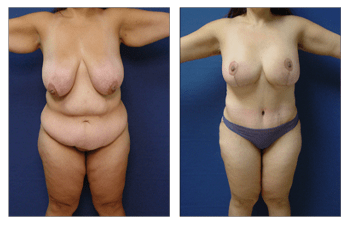
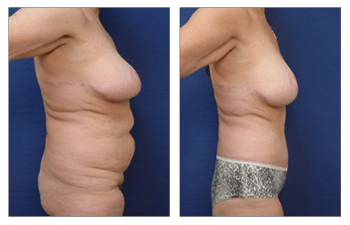
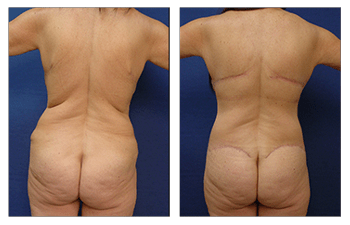

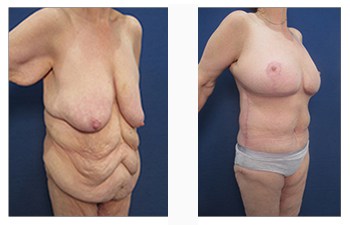
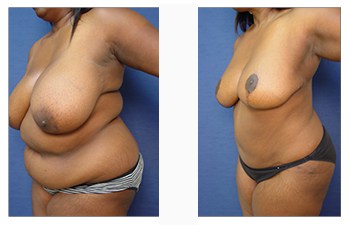
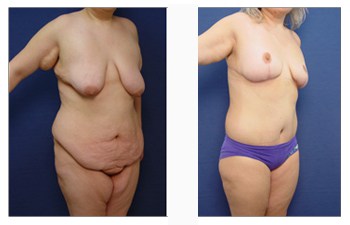


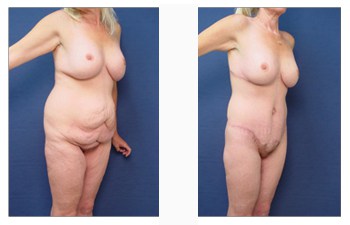
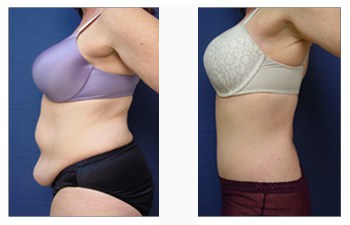
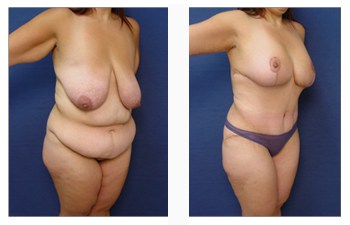
Post Bariatric Surgery
Skin Reduction Surgery (Post Bariatric Surgery) in Orange County
Skin Reduction surgery is an essential and final component in the journey patients embark on after post-bariatric surgery. As Newport Beach post-bariatric surgery patients lose their unwanted weight, they will universally observe a decrease in total body fat but only minimal resolution of their unwanted, redundant skin. Skin redundancy can be minimal, moderate, or severe, as observed by the development of multiple skin rolls and/or rashes. Skin redundancy can be observed over the face and neck, arms, breasts, armpits, upper back (under the bra region), abdomen, lower back (above the buttocks), pubic region, lateral thighs, and medial thighs. Above skin redundancies result in sagging of the breasts, buttocks, thighs, and genitalia. Over a one to two-year period, weight loss over 100 pounds is routine for post-bariatric patients who attend regular counseling and maintain a healthy lifestyle. Unfortunately, the accumulation of redundant skin eventually becomes a psychological obstacle to physical activity and a burden. Patients who see Surgeon Dr. Paris in consultation for a post-bariatric surgery often complain that despite having been dedicated to losing incredible amounts of weight, they continue to carry large amounts of skin that precludes them from exercise, outdoor activities and fitting into smaller-sized clothes. In order to figure out which procedure is best for you, we encourage you to make a complimentary consultation with Dr. Paris.
Procedure
Elimination of redundant skin that may have accumulated over the abdomen, flanks, back, buttocks, breasts, arm pits, upper arms, inner thighs, and outer thighs.
Length
1 to 3 hours per area (depends on the extent of skin redundancy); may combine treatment of several areas as long as total operative time does not exceed 6 to 8 hours.
Anesthesia
General anesthesia.
Place of Treatment
Outpatient surgical suite or hospital operating room.
Side Effects
- Due to the extent of redundant skin excised, patients may experience increased tightness surrounding skin incisions and should expect a longer period for incision redness to dissipate (on average 6 months). Despite attempts to remove all redundant skin, patients may develop recurrent skin laxity following surgery, described as “Recurrent skin laxity Syndrome.” This return of laxity is due to the loss of skin elasticity, a direct result of prolonged skin stretching throughout the years of obesity. Differences in laxity in local regions of the body may be responsible for slight asymmetry that develops following surgery. This phenomenon is responsible for more frequent revision surgeries.
- Prolonged swelling up to 3 months is not uncommon due to poor lymphatic drainage following extreme weight gain and loss. Lymphatic drainage is further compounded by extended surgical incisions required to remove the redundant skin. Lymphatic drainage is promoted by mechanical massage, body wraps, and external ultrasound treatments when needed.
Risks
- Deep vein thrombosis (DVT) may occur in the legs immediately following skin reduction surgery. DVT refers to the clotting off of leg veins which may result in compromised blood flow return from the legs; a more critical consequence may develop from this clot if it is dislodged and travels to the lungs causing pulmonary emboli. Although rare, pulmonary emboli are the leading cause of death following surgery.2) Wound breakdown is more common in these patients secondary to several metabolic and physiologic disorders. Diabetes and nutritional deficiencies are largely to blame for the difficult healing of these patients.
- Seroma formation refers to the accumulation of plasma fluid in pockets created by the surgical elevation of the soft tissue. This fluid accumulates due to a low blood count and protein deficiency both of which are often present in post-bariatric patients. This fluid can be a nuisance to patients requiring several aspirations in the office prior to their resolution. More importantly, these plasma fluid pockets may harbor bacterial growth and result in a clinical infection.
- Local skin infection is not uncommon in a patient who has diabetes, iron deficiency anemia (low blood count), and protein deficiency.
- Pressure sores may develop in patients following prolonged surgical cases due to the increased weight of the patients on an operating room table. Fortunately, pressure sores rarely develop due to the precautions that are taken by the operating room staff to properly cushion all bony prominences.
- Post-bariatric surgery patients are more susceptible to hypothermia (loss of body temperature) due to their larger body surface area to body volume ratio. Hypothermia may lead to arrhythmias and blood clotting difficulties in the operating room. Fortunately, patients’ body temperatures rarely fall due to the precautions taken in the operating room which include: heating of the room, heating of the intravenous fluids, and using special heating blankets.
Recovery
The recovery for skin reduction surgery may be variable requiring as little as 2 weeks for upper arm reduction surgery to as long as 6 weeks for circumferential abdomen and back reduction surgery, i.e. lower body lift combined with an extended tummy tuck.
Duration of Results
Patients are extremely pleased with skin reduction surgery which provides the final step towards reaching dreams of physical and mental confidence. Patients can expect cosmetic results to last a lifetime as long as they avoid an increase in weight.
FREQUENTLY ASKED QUESTIONS
What does post bariatric surgery involve?
Several previously utilized surgical procedures have been tailored to address the severity of redundant skin that is observed in post bariatric surgery patients. The most common surgeries offered today include:
- Extended tummy tuck
- Lower body lift (lateral thigh lift)
- Mastopexy (breast lift) with or without implant augmentation
- Inner thigh lift (Medial thigh tuck)
- Brachioplasty (arm lift)
All of the post bariatric surgery procedures available have been modified specifically by adjusting surgical incision lines to compensate for the severity of skin redundancy. The tummy tuck incision is started lower on the mons pubis in order to provide a lift of this area since it is often sagging and the lateral incisions lines are extended beyond the anterior axillary line(most lateral abdmonimal area) in order to eliminate lateral skin folds(dog ears). The lower body lift incision line, is in essence a circumferential tummy tuck incision, and must be placed appropriately in order to allow for an aesthetically pleasing vertical ratio of buttock to lower back length. The inner thigh lift incision which has been traditionally placed horizontally in the groin has been reoriented in the vertical axis in order to account for the severity of the skin redundancy and to avoid distorting the genital area due to the abundant weight of the hanging tissue. The traditional brachioplasty (upper arm tuck) incision is extended onto the posterior axillary fold (upper lateral back region) depending on the sagging of this region (referred to as bat wings) and the upper body lift extended anterior to the axilla to effectively treat a sagging lateral inframammary crease (fold under the breast) which can create a negative vector angulation of the breast. Similarly, the traditional breast lift incisions have been modified to address an overly sagging breast contour as well as a distorted lateral inframammary crease (fold under the breast). Given the complexity of surgical incision line placement, we recommend surgical measuring and marking of lines to be designed ahead of surgery.
Am I a good Candidate for post bariatric surgery?
Morbid obesity is an epidemic in the United States affecting nearly 9 million Americans. Approximately 100,000 patients undergo bariatric surgery(gastric resection, gastric sleeve, gastric stapling, and gastric banding) each year under the supervision of a multidisciplinary team. Over the course of a year or more, compliant patients achieve their weight loss goals and seek plastic surgeons to remove the ensuing redundant skin. Several skin reduction surgery procedures have been modified to specifically address the severity of remaining skin observed in post bariatric patients. These include: the extended tummy tuck, lower body lift (belt lipectomy, circumferential body lift, and lateral thigh tuck), mastopexy (breast lift) with an implant augmentation, inner thigh lift (medial thigh tuck), and brachioplasty (arm lift). You may be a candidate for one or all of these skin reduction surgeries depending on which regions of your body demonstrate redundant skin.
How do I plan my post bariatric surgery?
On your initial visit, the surgeon will evaluate your health status, determine the amount of skin redundancy, and check your blood work. Expect to have iron and Vitamin B12/Folate deficiencies. The iron deficiency will result in a low blood count, which must be corrected before surgery. The correction of the low blood count will take at least 1 month and require taking daily iron pills. If you are a smoker, then you should quit for 1 month prior to post bariatric surgery in order to allow your body adequate time to rid itself of any residual nicotine. Nicotine in your system results in shutting off of small blood vessels which carry nutrients to the skin; this event could be catastrophic in post bariatric surgeries resulting in extensive wounds requiring months to heal.
How do I prepare for post bariatric surgery?
Since your skin reduction surgery will require general anesthesia, you must take several precautions prior to surgery. First, you will have to avoid eating and drinking after midnight on the day before surgery. This precaution ensures that your stomach is clear of digested foods that could potentially be aspirated and contaminate your lungs during induction of anesthesia. Since, you will have anesthetic medications administered throughout the case, you will remain groggy for some time and will require a ride to and from the surgery center if you elect not to commit to an overnight stay on the premises. You should choose a caretaker who is conscientious and who can spend the first several nights with you.
What results can I expect after post bariatric surgery?
Over all, post bariatric patients should be commended for their due diligence to lose their excess weight. By providing these patients a final skin reduction procedure, we are able to finally attain for them the desired outcome of all their efforts. Patients are extremely satisfied with their surgery and their new physical autonomy. By providing a thorough preoperative workup, safe intraoperative course, and frequent postoperative visits, patients should expect a speedy recovery and return to a more aesthetically pleasing physique and more productive lifestyle. Patients are extremely pleased with skin reduction surgeries which provide the final step towards reaching dreams of physical and mental confidence.
Where will my post bariatric surgery be performed?
Since your skin reduction surgery will require general anesthesia, it must be performed in an operating room that is part of a hospital institution or outpatient surgery center. Less frequently, patients may be operated on in an in-house office based operating room, but it is of utmost importance for patients to make sure that the office facility has been accredited by a surgical accreditation body such as AAAASF.
What type of anesthesia will be used for my post bariatric surgery?
Since your skin reduction surgery requires removal of large amounts of skin, it will require general anesthesia. This is because skin possesses a large number of sensory nerves (pain fibers) that would be triggered during cutting of the redundant skin; general anesthesia ensures that these pain fibers are shut down during the operation.
What should I expect after post bariatric surgery?
You should expect to feel sore throughout the early postoperative period. The soreness can be minimized by continuous wearing of the compression garments. In general, the compression garments should be worn for at least 4 weeks in order to prevent development of any contour abnormalities. The soreness can be nearly eliminated with use of local anesthetic pumps that provide continuous and safe administration of local anesthetic solution. Since large amounts of skin are removed, long incisions are required to tailor the remaining skin. These incision lines should remain sealed for 36 hours since they are prone to bacterial infections. In addition, exercise should be limited for the first 4 weeks until the incision lines have completely healed. Pre-existing conditions such as diabetes, sleep apnea, anemia, and morbid obesity (basal metabolic index of greater than 35) place patients at risk postoperatively for fluid collection (seroma formation), prolonged swelling (poor lymphatic drainage), wound problems, and infection. Fluid collection (seroma formation) is the most common complication and usually located in the posterior hip area. Seroma risk is minimized by preserving fat on the muscle, placing superficial to deep stitches underlying the skin, instilling fibrin glue prior in all surgically created pockets, maintaining output drains (JP drains) for an extended period (as long as 3 weeks) and infusing antibiotics (Doxycycline 100mg in 10cc of saline) through the JP drains twice weekly. Lymphatic drainage compromise is most common over the mons pubis area as well as in the limbs. Lymphatic drainage is promoted by performing mechanical massage, body wraps, and external ultrasound treatments.
When will I be able to return to work following post bariatric surgery?
Patients can expect to return to work within 1 week to 6 weeks. The broad range for postoperative recovery durations is due to the variable extent of redundant skin reduction. Patients are advised to gauge their return to work by their overall soreness which dictates the tasks which they may perform.
Are there any side effects associated with post bariatric surgery?
Due to extent of redundant skin excised, patients may experience increased tightness surrounding skin incisions and should expect a longer period for incision redness to dissipate (on average 6 months). Despite attempts to remove all redundant skin, patients may develop recurrent skin laxity following surgery, described as “Recurrent skin laxity Syndrome.” This return of laxity is due to the loss of skin elasticity, a direct result of prolonged skin stretching throughout the years of obesity. Differences in laxity in local regions of the body may be responsible for slight asymmetry that develops following surgery. This phenomenon is responsible for more frequent revision surgeries. Prolonged swelling up to 3 months is not uncommon due to poor lymphatic drainage following extreme weight gain and loss. Lymphatic drainage is further compounded by extended surgical incisions required to remove the redundant skin. Lymphatic drainage is promoted by mechanical message, body wraps, and external ultrasound treatments.
PATIENT-SPECIFIC QUESTIONS
When can skin reduction surgery be performed?
Patients undergoing bariatric surgery will have to attain their ideal or near ideal weight and demonstrate a stable weight for at least 6 months prior to being considered for post bariatric surgery.
Does everybody undergoing bariatric surgery need to undergo skin reduction surgery?
Patients who lose extensive weight will notice deflation of their skin due to the loss of fat cell volume. The redundant skin can be quite extensive and may be aesthetically unsightly. This redundant skin may have the capacity to resorb itself if it still maintains s a “recoil” protein called elastin. Unfortunately, after the age of 40 years of age, the elastin protein is lost from the skin resulting in non-elastic and non-resorbable skin. For those under 40 years of age and those who are patient, the redundant skin will tighten back down over several year period. For those patients older than 40 years of age, skin reduction surgery is the only option for eliminating the unsightly redundant skin.
Do patients need to be monitored by a nurse overnight following post bariatric surgery?
Patients undergoing post bariatric surgery are evaluated much in the same manner as other surgical patients. If patients have medical illnesses other than the redundant skin they are trying to eliminate, then they will require an overnight stay at one of the local overnight stay houses near our office. In addition to identified medical illness, patients are evaluated with respect to their body mass index. The body mass index (BMI) is a parameter that measures the degree the patient is overweight. When the BMI is greater than 30 and even despite having lost a 100 to 200 pounds, the patient is considered a high risk candidate and recommended to spend the night with one of our registered nurses.
Does the skin redundancy come back?
The redundant skin will not return unless the patient relapses from his/her bariatric surgery and regains the extra weight and then looses the weight again. There is a early postoperative complication called “Recurrent skin laxity syndrome” which is associated with early return of apparent skin redundancy which appears within 1 month of surgery. This complication is related to the fact that post bariatric patients in contrast to routine cosmetic patients desiring skin tucking must undergo a more aggressive excision of redundant skin as their skin has lost its elasticity and thus will give following surgery. For example during tummy tuck surgery, the routine cosmetic patient is flexed to approximately 20 to 25 degrees when trying to trim out the extra skin whereas the typical post bariatric patient is flexed between 35 to 45 degrees.
Is there a limit to the number of areas that can be treated?
For patients undergoing post bariatric surgery, there is a safety time limit of 6 to 8 hours duration within which surgeries should be completed. As such, it is important to prioritize the regions such that problem areas may be treated in an optimal and expedited manner without going over the safe time allotted parameters. Most patients are able to combine several problem regions during their skin reduction surgery, i.e. Total Body Lift. Total body lift can accommodate: extended tummy tuck, breast lift with or without an implant, medial thigh tuck, upper arm tuck, lower body lift (lateral thigh tuck), and even fat transfer to the buttocks(Brazilian Buttocks Lift). If above surgeries cannot be completed within a 7 hour time frame, then they can be divided into multiple skin reduction surgeries.