
Top Rated in Orange County
Breast Lift
Breast Lift CASE STUDIES
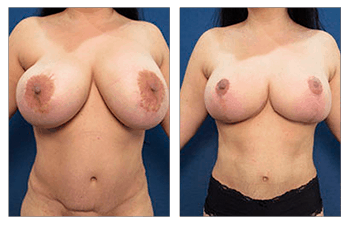
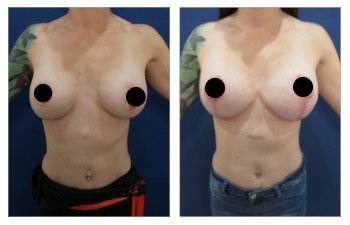
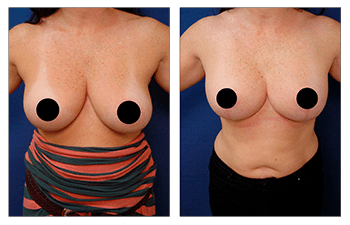
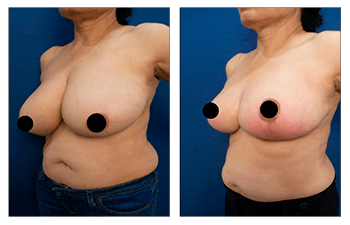
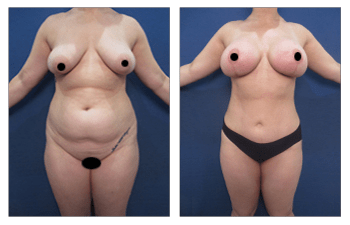

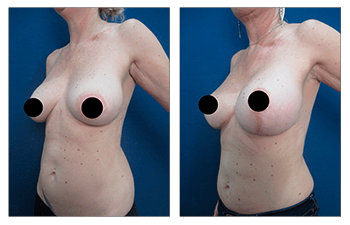

breast lift Surgery CASE STUDIES

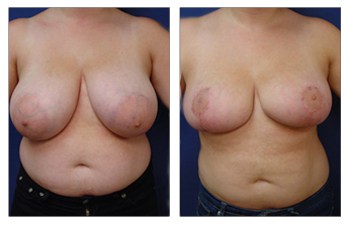
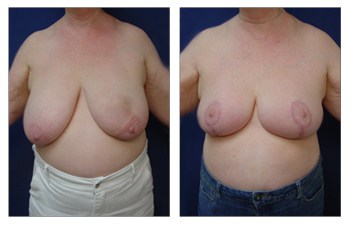
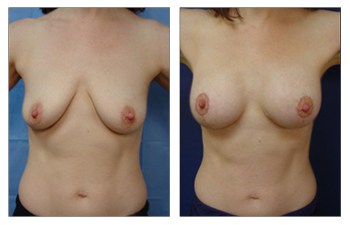
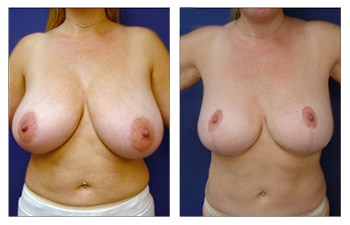
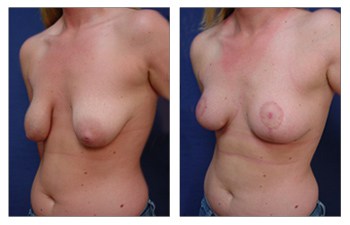
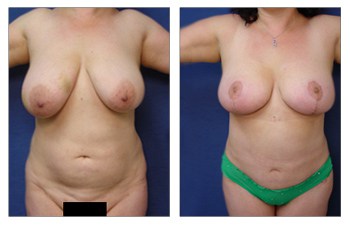

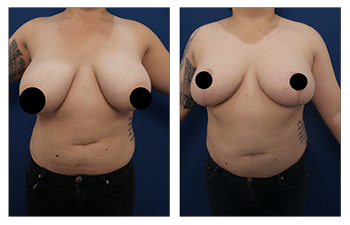
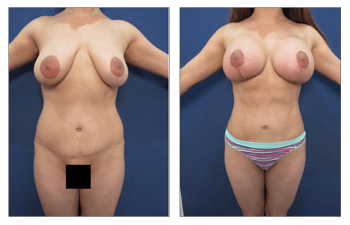

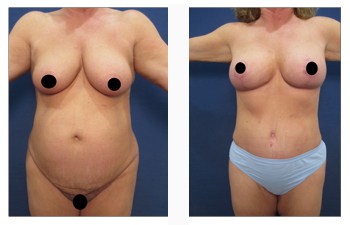
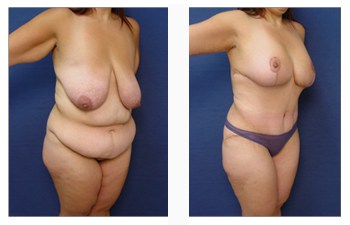
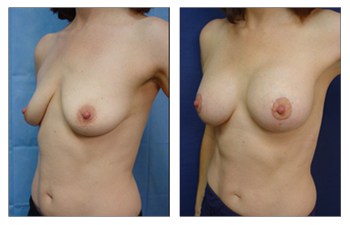


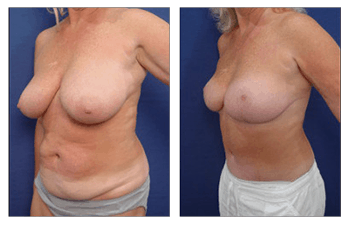
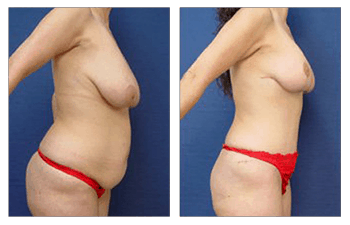
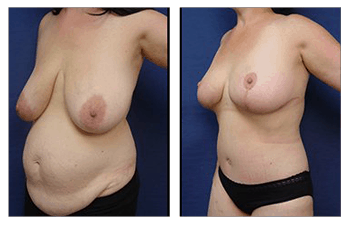
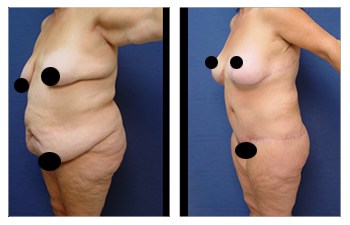
Breast Lift
Orange County Breast Lift surgery is indicated for patients who have adequate breast volume but whose breast mounds have dropped due to the aging process. As the breasts naturally age, there is a tendency for the breast mound and nipple to droop. Minimal drooping and/or sagging of the breast tissues may look natural and aesthetically pleasing; however, when the breast tissues and nipple fall below the inframammary crease (the natural junction between the breast and tummy), then the beauty of the breast shape can be compromised.
Newport Beach Breast lift procedures are meant to reverse the undesirable changes of the breasts that you may have observed including:
- Drooping of your breast mound that rests on your tummy.
- Sagging of your nipple and areola complex such that they point at your feet.
- Lateralization of your breast mound resulting in tilting of your breast mound into your armpits with simultaneous loss of inner breast mound fullness.
- Loss of your medial cleavage.
- Loss of your upper pole breast fullness.
- Any asymmetry in your breast mound shape, size, and positioning.
- Enlargement or enlargement of your areola diameter
- Asymmetry in your areola shape and positioning.
Why choose expert Newport Beach Surgeon Dr. Paris
Dr. Paris is well regarded in Orange County for his natural and consistently superior results. Optimum results are attained by performing a comprehensive evaluation of your breast mound shape and position, detailed measurements of your medial and lateral breast pole lengths, as well as consideration of your nipple-areola shape, size, and positioning. Customizing your surgical plan allows Dr. Paris to address your specific surgical needs.
Orange County patients who desire an increase in volume in addition to a lift procedure are encouraged to consider Dr. Paris’s simultaneous Breast Lift with Implant Augmentation procedure, which allows patients to correct both sagging and loss in breast volume by utilizing an implant placement during their lift.
Patients who desire a large decrease in breast volume in addition to the correction of the sagging tissues may benefit from breast reduction surgery. In order to determine which breast procedure is ideal for you, complimentary consultation with Dr. Paris is advised. Following a comprehensive breast evaluation with Dr. Paris, you will be able to make a more informed decision regarding which breast procedure is ideal for you.
Procedure
Improvement in breast contour and nipple-areola position by the removal of extra skin and transfer of the nipple-areola to a higher more aesthetically pleasing position.
Length
1 to 3 hours of operative time.
Anesthesia
General anesthesia.
Place of Treatment
Outpatient surgical suite or hospital operating room.
Side Effects
a) Numbness: Swelling after surgery usually results in loss of feeling in the breast and nipple area during the first several weeks. This impairment should be temporary and last no longer than a few months. In some cases, the loss of feeling can last longer or become permanent due to possible nerve damage or reduced blood supply to the breast.
b) Hypertrophic scar: Hypertrophic scar refers to the development of a thickened scar in the skin. Based on the extent of redundant skin excised, patients may experience increased tightness surrounding skin incisions and should expect a longer period for incision redness to dissipate (on average 3 to 6 months). Treatment of hypertrophic scars is available and includes steroid injection, laser therapy, and silicone pressure therapy.
c) Breast/Nipple asymmetry: Breasts may not be the same size and shape and nipples could be positioned unevenly depending on the degree of preoperative asymmetry. Furthermore, some women may experience small differences in the size or shape of the breast after surgery because each patient heals differently. In extreme cases of breast/nipple asymmetry, revision surgery can be performed.
d) Nursing problems: Common belief is that breast lift surgery can adversely affect breastfeeding potential. However, breastfeeding is typically not affected because the milk glands are not separated from the nipple during surgery. Furthermore, much attention is given to the preservation of milk ducts during nipple repositioning in order to prevent nursing problems.
Risks
a) Deep vein thrombosis (DVT) may occur in the legs immediately following surgery. DVT refers to the clotting off of leg veins which may result in compromised blood flow return from the legs; a more critical consequence may develop from this clot if it is dislodged and travels to the lungs causing pulmonary emboli. Although rare, pulmonary emboli are the leading cause of death following surgery. DVT’s are avoided with routine use of pneumatic compression boots during surgery and encouraging patients to walk as soon as possible following surgery.
b) Hematoma: Hematoma refers to the accumulation of blood in the early postoperative period which pools into a pocket. Hematomas provide a perfect medium for harboring growth of bacteria. So if you have an infection anywhere in your body, the bacteria will travel through the blood stream and grow in the hematoma; this can lead to an infection as well as an open wound. In order to avoid a hematoma, drains are placed in surgery so that any fluid accumulation can be drained. Drains are usually kept in place for 4 to 5 days.
c) Seroma: Seroma formation refers to the accumulation of plasma fluid in pockets created by surgical elevation of the soft tissue and disruption of lymphatic vessels. This fluid accumulates due to a low blood count and protein deficiency both of which may be present in breast lift surgery patients. This fluid can be a nuisance to patients requiring several aspirations in the office prior to their resolution. More importantly, these plasma fluid pockets may harbor bacterial growth and result in a clinical infection. Drains that are placed in surgery are very effective in preventing seroma formation. Consequently, seromas may become apparent following the premature removal of drains.
d) Infection: An infection can occur following breast lift surgery. The infection will disrupt the incision line and may leave the patient with an open wound. Prolonged antibiotics are required to fight the infection and to prevent further extension of the infection. Infections are usually avoided by using drains which will prevent hematoma formation. In addition, infections are less likely in patients who don’t smoke cigarettes or in patients who quit smoking for at least 1 month prior to surgery.
e) Skin edge death/open wound: The skin incision can be disrupted if the skin edge dies or if there is a local infection. This complication is best avoided by counseling patients on the terrible consequences of nicotine in cigarettes. Nicotine will literally clog all the small vessels found in the skin which are critical for the healing of the skin edge. Breast lift surgery patients are usually mandated to quit smoking for at least 1 month prior to surgery. In addition, uncontrolled diabetes can lead to the undesired sloughing of the skin. Diabetic patients are urged to be vigilant about controlling their blood sugar levels prior to surgery. If patients develop an open wound, they will require prolonged local wound care with frequent dressing changes. Unfortunately, any delays in the healing of the skin edges will compromise your aesthetic outcome.
Recovery
The recovery period for breast lift surgery is 4 to 6 weeks. Most patients may return to work at 4 weeks and may resume all physical activity at 6 weeks.
Duration of Results
As long as patients do not have significant weight gain or loss and do not become pregnant, they can enjoy a lifetime of aesthetically pleasing breasts.
FREQUENTLY ASKED QUESTIONS
Am I a good candidate for breast lift surgery?
You may be a good candidate for breast lift surgery if you have: a)breasts that are pendulous, but of satisfactory size, b)breasts that lack substance or firmness, or c) nipples and areolas that point downward, especially if they are positioned below the breast crease (inframammary crease). The shape and firmness of your breasts may be affected by factors such as loss of skin elasticity, gravity, weight loss, pregnancy and breastfeeding. A breast lift is suitable for patients who want to raise and firm their breasts in order to produce a more youthful appearance. Breast implant augmentation can be performed in conjunction with breast lift surgery for patients who also want to increase their breast volume.
What does breast lift surgery involve?
Breast lift surgery takes approximately 1 to 4 hours and is performed while the patient is under general anesthesia. Depending on the amount of sagging of the breast, one of the following types of breast lifts is performed: a)“concentric” b)“vertical”, or c) “anchor-shaped”. The “concentric” incision technique is suitable for patients with minimal sagging of the breasts and involves concentric-shaped incisions around the areola. The “vertical” breast lift involves an incision around the areola and down the breast. The “anchor-shaped” method is similar to the “vertical” technique, but it also includes an incision along the inframammary fold, or the natural crease under the breast. The “vertical” and “anchor-shaped” methods are designed for women with larger, more extensive sagging and drooping breasts.
Following the incision, your surgeon will remove excess skin, and move the nipple and areola to their new position. If necessary, asymmetry may also be corrected during surgery by providing greater lift to one or the other breast. Optional procedures include alteration of areola size and/or insertion of a breast implant. Incisions are sutured internally and tapes placed externally over the incisions which are kept in place for 4 weeks after surgery. Patients will also wear a supportive bra or exercise bra for several weeks after surgery.
How do I plan my breast lift surgery?
On your initial visit, your surgeon will evaluate your health status by obtaining blood work. If you are 40 years or older or if you have had a personal or family history of breast symptoms (tenderness, lumps, nipple discharge) you will be asked to obtain a mammogram. If you are a smoker, you should quit for 1 month prior to your breast reduction surgery to minimize the risks of implant infection and skin compromise. In addition, it is prudent to quit smoking for 6 weeks following surgery to ensure well-healed surgical incision lines. Finally, you will need to arrange for a friend or a spouse to care for any small children who may need to be lifted since you will be sore for the first couple days following surgery.
How do I prepare for breast lift surgery?
Since your surgery will require general anesthesia you must take several precautions prior to surgery. First, you will have to avoid eating and drinking after midnight on the day before surgery. This precaution ensures that your stomach is clear of digested foods that could potentially be aspirated into your lungs during induction of anesthesia. Since, you will have anesthetic medications administered throughout the case; you will remain groggy for several hours and will require a ride to and from the surgery center. You should choose a caretaker who is conscientious and who can spend the first night with you.
What results can I expect after breast lift surgery?
Patients who undergo breast lift surgery are extremely satisfied with the enhanced contour and youthful appearance of the breasts. By providing a thorough preoperative workup, safe intraoperative course, and frequent postoperative visits, patients should expect a speedy recovery and return to a more aesthetically pleasing physique and more comfortable lifestyle. Patients who undergo breast lift surgery enjoy many years of aesthetically pleasing breasts. Although gravity will decrease the firmness and youthful appearance of your breasts over time, an enhanced contour appearance compared to preoperative conditions is realized.
Where will my breast lift surgery be performed?
Since breast lift surgery requires general anesthesia, it must be performed in an operating room that is part of a hospital institution or an outpatient surgery center. Less frequently, patients may be operated on in an in-house office based operating room, but it is of utmost importance for patients to make sure that the office facility is accredited by a surgical accreditation body such as AAAASF.
What type of anesthesia will be used for my breast lift surgery?
General anesthesia is typically used for patients undergoing breast lift surgery, especially for cases that require the “anchor-shaped” surgical technique. Procedures that require fewer incisions and less tissue dissection such as the “concentric” technique may utilize a local anesthetic in combination with intravenous sedation instead. The type of sedation that you will require will be discussed with your plastic surgeon during the consultation for breast lift surgery.
What should I expect after breast lift surgery?
Patients usually experience an immediate and dramatic change in the shape, contour and projection of their breasts. For the first day or two, you will need to limit your upper body activity and remain rested most of the time. You should also sleep with your head elevated in order to avoid using your arms when getting in and out of bed. Patients will be expected to wear a support bra with no underwire starting at 2 weeks and up to one month following surgery. Breast lift incision techniques have been refined to minimize dissection and as a result the bleeding, bruising and scarring. Pain medication and antibiotics will be provided after surgery and within a few days you should be able to resume light duty activities. Patients with jobs that do not require strenuous activity may return to work one week after surgery. Patients with physically rigorous jobs will have to wait 4 months prior to returning to work.
Following breast lift surgery, patients may experience loss of sensation in the breast area but this numbness is usually transient. Additionally, it will also take several months for the shape and contour of your breasts to settle in and for surgical scars to fade.
When will I be able to return to work following breast lift surgery?
Patients usually return to work in one week if their job does not involve heavy physical stress. More strenuous jobs may require work restrictions for 4 weeks. During your recovery period in the first 4 weeks, you must limit lifting to no more than 5 lbs and reduce the amount of work done with your arms.
Are there any side effects associated with breast lift surgery?
a) Numbness: Swelling after surgery usually results in loss of feeling in the breast and nipple area during the first few weeks. This impairment should be temporary and last no longer than a few months. In rare cases, the loss of feeling can last longer or become permanent due to nerve damage as these nerves are not apparent to the naked eye and unavoidable if they have an aberrant location and in the line of surgical dissection.
b) Hypertrophic scar: Hypertrophic scar refers to the development of a thickened scar in the skin. Depending on the extent of redundant skin excised, patients may experience increased tightness surrounding skin incisions and may expect a longer period for incision redness to dissipate (on average most redness will dissipate by 3 to 6 months). Treatment of hypertrophic scars is available and includes: steroid injection, laser therapy, and silicone pressure therapy.
c) Breast/Nipple asymmetry: Breasts size, shape, and nipple position may not be symmetrical preoperatively resulting in asymmetry postoperatively. However, patients should expect improved symmetry postoperatively. Furthermore, some women may experience small differences in the size or shape of breast after surgery because the two breasts may heal differently. In extreme cases of breast mound or nipple asymmetry, a revision surgery may be required.
d) Nursing problems: Much controversy surrounds the potential for nursing postoperatively. Although breast feeding should not be adversely affected because the milk glands are not separated from the nipple during surgery, patients are encouraged not to expect to capable of breast feeding. This explanation is because studies have demonstrated that up to 50% of mothers who have never had breast surgery unable to breast feed.
Are there any risks associated with breast lift surgery?
a) Deep vein thrombosis (DVT) may occur in the legs immediately following surgery. DVT refers to the clotting off of leg veins which may result in compromised blood flow return from the legs; a more critical consequence may develop from this clot if it is dislodged and travels to the lungs causing a pulmonary emboli. Although rare, pulmonary emboli are the leading cause of death following surgery. DVT’s are avoided with routine use of pneumatic compression boots during surgery and encouraging patients to walk as soon as possible following surgery.
b) Hematoma: Hematoma refers to the accumulation of blood in the early postoperative period which pools into a dissected pocket. Hematomas provide a perfect medium for harboring growth of bacteria. Thus if you have an infection anywhere in your body, the bacteria will travel through the blood stream and grow in the hematoma causing a localized infection in your breast. In order to avoid a hematoma, drains can placed in surgery so that any fluid accumulation can be drained. When drains are used, they are kept in place for 4 to 5 days.
c) Seroma: Seroma formation refers to the accumulation of plasma fluid in pockets created by surgical elevation of the soft tissue and disruption of lymphatic vessels. This complication is more likely in patients with a low blood count and in patients with poor nutrition and protein deficiency. The fluid in a seroma can be a nuisance to patients requiring several aspirations in the office prior to its resolution. More importantly, these plasma fluid pockets may harbor bacterial growth and result in a localized breast infection. Drains which are placed in surgery are very effective in preventing seroma formation. Consequently, seromas may become apparent following premature removal of drains.
d) Infection: An infection can occur following breast lift surgery. The infection will disrupt the incision line and may leave the patient with an open wound. Prolonged antibiotics may be required to fight the infection and to prevent further extension of the infection. Infections are most common in diabetic patients with poorly controlled blood sugar levels and in patients who are smokers. Infections are less likely in patients who stop smoking one month prior to and for six weeks following surgery. In addition, the likelihood of breast infection is increased when breast implants are used in conjunction with breast lift surgery.
e) Skin compromise and open wound: The skin incision can be disrupted if the skin edge is compromised or dies. This complication is best avoided by counseling patients on the horrible consequences of nicotine in cigarettes. Nicotine will literally clog all the small vessels found in the skin which are critical for delivering nutrients and healing of the skin edge. Breast lift surgery patients are usually mandated to quit smoking for at least 1 month prior to and six weeks following surgery. In addition, uncontrolled diabetes can lead to the undesired sloughing of the skin. Diabetic patients are urged to be vigilant about controlling their blood sugar levels prior to surgery. If patients develop an open wound, they will require prolonged local wound care with frequent dressing changes. Unfortunately, any delays in healing of the skin edges may compromise your aesthetic outcome.
PATIENT-SPECIFIC QUESTIONS
What is breast lift surgery?
Breast lift surgery is performed to enhance the firmness and youthful appearance of breasts by reshaping and raising the breasts higher on the chest. It can be performed in conjunction with breast implant augmentation to enhance the shape, position and size of your breasts.
At what age can breast lift surgery be performed?
Breast lift surgery can be performed at any age, but cosmetic surgeons usually recommend patients to wait until breasts are fully developed in order to minimize subsequent surgeries. Although pregnancy and breast feeding may significantly alter the size and shape of your breasts, many women still opt to undergo breast lift surgery before having children and feel that they can address any changes in their breast appearance later on.
Does breast lift surgery have any impact on breast feeding?
Since breast lift surgery leaves the milk ducts and nipples intact, your ability to breast feed should be generally unaffected. Despite this, patients are encouraged not to expect to be able to breast feed based on studies that have demonstrated that even mothers who have never had breast surgery have difficulty with breast feeding in 50% of cases.
How much pain is associated with breast lift surgery?
Most patients experience soreness for 2 to 4 days following breast lift surgery and the amount of pain depends upon the surgical technique and extent of dissection that was performed. Patients with minimal sagging of the breasts require a surgical technique with fewer incisions and may experience less pain during the recovery period. The pain is usually greatest within the first 48 hours after surgery, but will diminish each day and is easily relieved by pain medications.
What are some variations to the common breast lifting technique?
Depending on the breast size and amount of sagging, there are various techniques that can be utilized. For patients with minimal sagging, a vertical mastopexy can be used which results in the incisions limited to a vertical incision extending down from the areola down the breast. For patients with more extensive sagging, the inverted T Weiss pattern incisions is utilized which results in a vertical incision extending down from the areola and another underneath the natural crease of the breast.
What type of scarring should I expect?
The type of scarring depends on the type of breast lift procedure performed. Traditional breast lift surgery produces anchor-like scars that extend around the nipple, down the middle of the breast, and under the fold of the breast, termed the inverted T Weiss pattern mastopexy. Vertical incision breast reductions create shorter scars that also surround the nipple and extend vertically down the breast, but do not continue under the breast. Only patients with very minimal sagging of the breasts may use the peri-areolar mastopexy which uses a concentric-shaped incision around the areola. Although scarring is a factor that should be considered by patients desiring breast lift surgery, patients should keep in mind that surgical incisions are required to resect unwanted breast tissue and to create a shapely breast. Additionally, scars that result from breast lift surgery can usually be hidden under bras or bathing suit tops. Finally, sutures that are used today are far superior to those used less than a decade ago and allow plastic surgeons to achieve significantly lighter and thinner scars.
Will my nipple sensation be the same after breast lift surgery?
Since breast lift surgery only involves the removal of skin around the nipples and does not require severing of the nerves, permanent loss of nipple sensation is unlikely. However, patients usually experience some numbness in the breast and nipple area during the first several weeks after surgery due to breast tissue swelling. In rare cases, the loss of feeling can last longer or become permanent due to possible nerve damage as these nerves are not apparent to the naked eye and may be severed if aberrant in their location and in the line of surgical dissection.
Will my insurance cover breast lift surgery?
In most cases, breast lift surgery is considered a ‘lifestyle choice’ rather than a ‘medical necessity’ and is not covered by insurance companies. However, if you require a breast lift ot allow for a symmetry procedure of the contralateral breast following breast reconstruction surgery for breast cancer, then insurance will cover this surgery.
Is it unsafe to perform breast augmentation synchronously with breast lift surgery?
The combined breast augmentation and breast lift surgery has been associated with increased number of complications. Increased complications have included a higher risk of skin compromise, poor surgical scars, and infection. This is because breast lift surgery requires removal of redundant skin and subsequent tightening of the breast skin which is compounded by placement of a breast implant which pushes out on the tightened skin tissues. This is specifically the reason for increased risk of complications. Unfortunately, this procedure is a mainstay of the plastic surgeon’s armamentarium as many of the same patients who need a breast lift of their sagging breasts also need augmentation of their deflated breasts. In fact, most postpartum mothers describe a deflation of their breast synchronously with the sagging of their breasts following nursing. As such, many patients seek correction of their breast sagging and breast deflation. In order to minimize complications, plastic surgeons should counsel patients regarding the increased risk of combining these procedures.
If I need a breast augmentation and breast lift how can I reduce the increased risk of complications?
When patients need both a breast lift and breast implant augmentation, patients must be counselled regarding the appropriate surgical plan that will provide them both effective results and one which will minimize postoperative complications. If minimal to moderate degree of breast sagging is present, then a single procedure that combines breast implant augmentation and a breast lift surgery can be performed. However, if severe breast sagging is present, then it is prudent to perform a two staged surgery; first, the breast lift is performed to correct breast sagging; following healing of breast skin incisions, patients may proceed with breast augmentation. Patients can expect to complete their surgeries within a three month period.
Does implant size matter if I want to have a breast lift and augmentation at the same time.
When breast augmentation and breast lift procedures are to be performed synchronously, it is prudent for patients to avoid unnecessary risks associated with this surgery. First, patients must make sure that their breast sagging is minimal to moderate. Second, patients must be willing to be satisfied with moderate augmentation using a medium sized implant (100cc to 300cc). When patients require a conservative breast lift procedure and choose a reasonable sized implant for augmentation, they will steer away from most complications.