Top Rated in Orange County
Mommy Makeover
Mommy Makeover CASE STUDIES


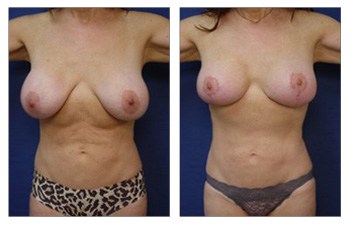
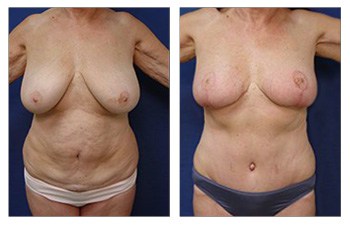

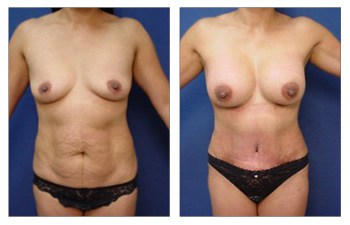
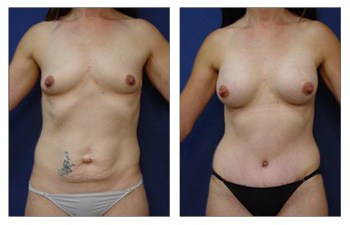
mommy makeover Surgery CASE STUDIES


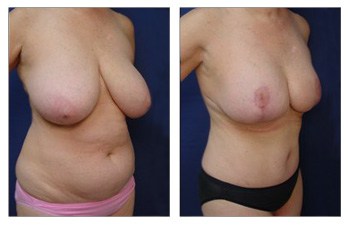

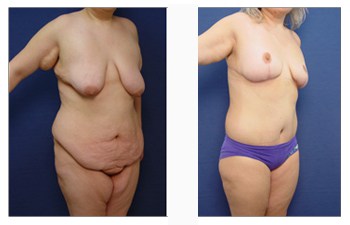
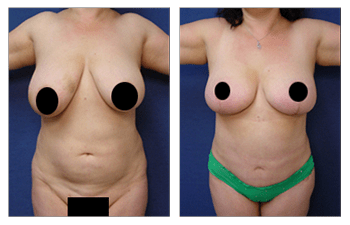
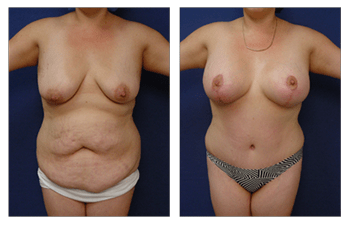
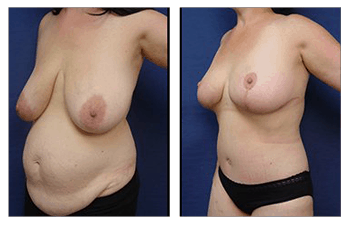
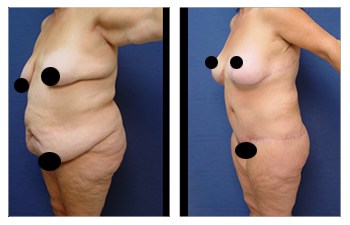
Mommy Makeover
Mommy Makeover Natrelle™ focuses on providing prospective moms simultaneous rejuvenation of their post-pregnancy abdominal and breast changes while not compromising a natural look. Newport Beach, Orange County, Board Certified Plastic SurgeonDr. Paris utilizes his artistry and experience to customize your surgical plan to reverse all of the undesired changes incurred by pregnancy.
Dr. Paris’s mommy makeover involves an individualized and detailed surgical plan combining tummy tuck, breast augmentation and/or breast lift, along with liposuction contouring of the flanks and thighs. Dr. Paris has developed a patent-pending surgical tool, “Mirzania Umbilicator”, which allows for the optimum placement of your new belly button during tummy tuck surgery. The creation of a naturally appearing “innie” belly button allows our patients to show off their youthful tummies while wearing two-piece swimming suits without being embarrassed by the exposure of an operated looking belly button.
In addition, Dr. Paris is able to correct the most severe abdominal deformity or bulge you think your belly has become. Dr. Paris can help you; he may even be able to obtain insurance coverage for your procedure to help you find the best Mommy Makeover specials. Finally, Dr. Paris’s expertise in performing a simultaneous breast lift and implant augmentation allows moms to have the complete correction of their post-pregnancy breast changes regardless of how deflated, sagging, or deformed you feel your breasts have become. We encourage you to view Dr. Paris’s Newport Beach, Orange County before and after Mommy Makeover results so you can appreciate your potential.
Mirzania, MD, FACS is a Board Certified Plastic and Reconstructive Surgeon who has dedicated his practice to providing prospective mommy makeover patients the results they desire yet avoid the operated look. While also providing the best Mommy Makeover specials. Mommy makeover Natrelle™ is dedicated to restoring abdominal, breast, and leg contour changes following pregnancy in a single operation and in a natural-appearing manner.
Procedure
Lift and or enlargement of the female breasts, as well as tummy reduction surgery, performed to erase the undesired pregnancy and breastfeeding changes. The routine mommy makeover specials include a combination of breast and tummy surgery performed to erase all of the unwanted changes observed following pregnancy and breastfeeding. Breast procedures may include one of the following options including breast lift, breast augmentation, or breast lift with implant augmentation. Tummy procedure includes either a full or mini tummy tuck depending on the degree of skin redundancy and abdominal wall integrity.
Length
4 to 6 hours of operative time.
Anesthesia
General anesthesia is routinely used for breast and tummy tuck surgery; epidural anesthesia may be used for patients undergoing a tummy tuck only.
Place of Treatment
Outpatient surgical suite or hospital operating room.
Side Effects:
Side effects are events that may be experienced by patients as a result of your surgery and should not be considered adverse events. Our patients are counseled regarding these effects and if experienced they are tolerable and often temporary in duration.
- Numbness: Swelling after surgery usually results in loss of feeling in the breast and nipple area during the first several weeks. This impairment should be temporary and last no longer than a few months. In some cases, the loss of feeling can last longer following inadvertent injury to sensory nerves during surgical dissection.
- Hypertrophic scar: Hypertrophic scarring refers to the development of a thickened scar over the surgical incision line. Treatment of hypertrophic scars is available and includes steroid injection, laser therapy, and silicone pressure therapy.
- Breast/Nipple asymmetry: Depending on the severity of preoperative breast asymmetry, surgery may result in minimal differences in breast size and shape and/or nipple position. However, the asymmetry should be improved from the preoperative state.
- Nursing difficulty: Common belief is that breast lift surgery can adversely affect breastfeeding potential. However, breastfeeding is typically not affected because the milk glands are not separated from the nipple during surgery. Despite this, patients are advised to not expect to breastfeed if they should decide to have more children.
- High riding implants: Patient’s frequently noticing high riding implants in the early postoperative period. The implants will drop into their desired, aesthetically pleasing position within 2 to 4 weeks. The tendency for the implants to sit high is countered by wearing a breast band, which will be provided by your plastic surgeon. The breast band will be worn for approximately 2 to 4 weeks until the implants fall into their desired space.
- Capsule formation: Capsule formation refers to the normal formation of a scar around an implant. This scar should remain thin; but when thickened, it is termed capsular contracture and can result in distortion of the overlying breast. Capsular contracture is rarely observed with saline implants and has been minimally observed with the use of new generation silicone implants.
- Deflation: Deflation of the implants occurs at a rate of 1% per implant per year. So in 10 years, there is a 10% chance of having an implant deflate.
Tummy Tuck
- Numbness: Numbness is inevitable due to the separation of the skin and underlying fat off of the abdominal muscles. Since the sensory nerves to the skin travel in the muscle layer prior to crossing over into the skin, they are unavoidably disrupted when elevating the skin and underlying fat off of the muscle. The nerves will regrow with time and patients do note the return of sensation on average by one year following surgery.
- Hypertrophic scar: Hypertrophic scar refers to the development of a thick scar in the skin. Based on the extent of redundant skin excised, patients may experience increased tightness surrounding skin incisions and should expect a longer period for incision redness to dissipate (on average 3 to 6 months). Treatments of hypertrophic scars are available and include: steroid injection, laser therapy, and silicone pressure therapy.
- Residual contour irregularities: Contour irregularities can persist following tummy tuck surgery and are due to uneven distribution of fat cells throughout the retained abdominal skin. Although liposuction can be used during abdominoplasty/tummy tuck to correct uneven fat distribution throughout the abdominal skin, this must be performed conservatively to avoid devitalizing the abdominal skin. Overall, you should expect your overall contour to be improved from your preoperative state.
Risks: Risks are unwanted events that may occur during or following surgery. These events are recognized as “complications” but their occurrence is minimized by appropriate patient selection, proper surgical decision making, effective surgical technique, and thorough preoperative and postoperative patient management.
Breast Lift/Augmentation
- Hematoma: Hematoma refers to the accumulation of blood in the breast pocket in the early postoperative period. Hematomas provide an ideal medium for the growth of bacteria. If you have an infection elsewhere in your body, the bacteria will travel through the bloodstream and find the hematoma. Additionally, hematomas can promote incision breakdown and even overlying breast skin compromise.
- Seroma: Seroma formation refers to the accumulation of plasma fluid in surgical pockets due to disruption of lymphatic vessels. Patients may be prone to seromas if they possess a low blood count or have protein deficiency. Seromas can be a nuisance to patients requiring several aspirations in the office prior to their resolution. Additionally, these plasma filled pockets may harbor bacterial growth resulting in an infection.
- Infection: An infection can occur following breast surgery. The infection may disrupt incision lines and may leave the patient with an open wound. Prolonged antibiotics are required to fight the infection and to prevent further extension of the infection. Patients requiring breast implant placement are at a slightly increased risk of infection as the implant acts like a foreign body and is more prone to infection. Patients requiring breast implant placement are placed on antibiotics prior to surgery to minimize risk of infection. Infections are less likely in patients who don’t smoke cigarettes or in patients who quit smoking for at least 1 month prior to surgery.
- Skin edge death/open wound: The skin incision can be disrupted if the skin edge dies or if there is local infection. This complication is best avoided by counseling patients on the terrible consequences of nicotine in cigarettes. Nicotine constricts small vessels found in the skin which are critical for the healing of the skin edge. As a result, patients are urged to quit smoking for at least 1 month prior to surgery. In addition, uncontrolled diabetes can lead to the undesired sloughing of the skin. Diabetic patients are urged to be vigilant about controlling their blood sugar levels prior to surgery. If patients develop an open wound, they will require prolonged antibiotics and local wound care with frequent dressing changes. Delays in healing will compromise the aesthetics of your surgical incision line.
- Asymmetry of breast shape: Asymmetry in shape is very different than asymmetry of size (described above) and occurs when the implant pockets have not been dissected accurately. If the breast pockets are dissected too medially, this can lead to the breast pockets connecting together resulting in a condition called symmastia.
- Pneumothorax: A pneumothorax refers to the inadvertent puncturing of the lining that covers your lungs. This is a rare event but can occur since implants are placed under the pectoralis muscle. When dissecting under the muscle, only a few millimeters of tissue separates the breast pocket from the lung lining. If the lung lining is punctured, the surgeon will have to place a catheter into the lung cavity and seal the lung lining at the end of surgery. You will require overnight hospitalization and removal of the catheter the following day prior to going home.
- Deep vein thrombosis (DVT) may occur in the legs immediately following surgery. DVT refers to the clotting off of leg veins which may result in compromised blood flow return from the legs; a more critical consequence may develop from this clot if it is dislodged and travels to the lungs causing a pulmonary emboli. Although rare, pulmonary emboli are the leading cause of death following surgery. DVT’s are avoided with routine use of pneumatic compression boots during surgery and encouraging patients to walk as soon as possible following surgery.
Tummy Tuck
- Hematoma: Hematoma refers to the accumulation of blood in the early postoperative period, which pools into a dissected surgical pocket. Hematomas provide a perfect medium for harboring the growth of bacteria. So if you have an infection anywhere in your body, the bacteria will travel through the bloodstream and grow in the hematoma; this can lead to an infection as well as an open wound. In order to avoid a hematoma, drains are placed in surgery so that any fluid accumulation can be drained. Drains are usually kept in place for 1 to 2 weeks.
- Seroma: Seroma formation refers to the accumulation of plasma fluid in pockets created by the surgical elevation of the soft tissue and disruption of lymphatic vessels. This fluid accumulates due to a low blood count and protein deficiency both of which may be present in tummy tuck patients. This fluid can be a nuisance to patients requiring several aspirations in the office prior to their resolution. More importantly, these plasma fluid pockets may harbor bacterial growth and result in a clinical infection. Drains, which are placed in surgery, are very effective in preventing seroma formation. Consequently, seromas may become apparent following the premature removal of drains.
- Infection: An infection can occur after tummy tuck surgery. The infection will disrupt the incision line and may leave the patient with an open wound. Prolonged antibiotics are required to fight the infection and to prevent further extension of the infection. Infections are usually avoided by using drains, which will prevent hematoma formation. In addition, infections are less likely in patients who don’t smoke cigarettes or in patients who quit smoking for at least 1 month prior to surgery.
- Skin edge death/open wound: The skin incision can be disrupted if the skin edge dies or if there is local infection. This complication is best avoided by counseling patients on the terrible consequences of nicotine in cigarettes. Nicotine will literally clog all the small vessels found in the skin, which are critical for the healing of the skin edge. Tummy tuck patients are usually mandated to quit smoking for at least 1 month prior to surgery. In addition, uncontrolled diabetes can lead to the undesired sloughing of the skin. Diabetic patients are urged to be vigilant about controlling their blood sugar levels prior to surgery. If patients develop an open wound, they will require prolonged local wound care with frequent dressing changes. Unfortunately, any delays in healing of the skin edges will compromise your aesthetic outcome.
- Asymmetry in abdominal contour can occur and is secondary to several factors including 1) Uneven skin redundancy that should be improved following redraping, trimming, and repair; 2) Stretch marks are areas of the skin which have lost their elasticity and are prone to re-stretching. The surgeon attempts to remove as much of the stretch marks as possible. However, if there are stretch marks left and they are uneven (more on one side than the other), this will result in asymmetric restretching of the skin and a resultant asymmetric contour. Any residual asymmetry in contour can usually be repaired by performing a revision mini tummy tuck surgery.
- Deep vein thrombosis (DVT) may occur in the legs immediately following surgery. DVT refers to the clotting of leg veins which may result in compromised blood flow return from the legs; a more critical consequence may develop from this clot if it is dislodged and travels to the lungs causing a pulmonary emboli. Although rare, pulmonary emboli are the leading cause of death following surgery. DVT’s are avoided with routine use of pneumatic compression boots during surgery and encouraging patients to walk as soon as possible following surgery.
Recovery
The recovery period for the mommy makeover ranges from two to six weeks. Expect to be up and walking the day after surgery, though not at your usual pace and with a semi-flexed posture. By the end of the first week, you will be walking upright and taking care of daily chores except for driving. It will take approximately two weeks before you are off of your pain medications and feel comfortable enough to drive a car. You may return to work after two to three weeks depending on the physical demands of your work and whether you require a mini or full tummy tuck. You should expect to resume your usual exercise routine at about four weeks.
Duration of Results
As long as patients watch their diet; keep an active lifestyle; and not get pregnant, they can enjoy a lifetime of aesthetically pleasing breast shape, abdominal contour, and youthful body silhouette.
FREQUENTLY ASKED QUESTIONS
What is a Mommy Makeover?
A Mommy Makeover is a procedure for women who have completed their childbearing and breast feeding years. The goal of the procedure is to return the breast and tummy to their pre-pregnancy appearance. The breasts may become deflated and saggy after enlargement of breasts during third term of pregnancy and subsequent deflation following breast feeding. These changes can be erased following a breast lift and/or breast augmentation procedure. The tummy may be returned to your youthful shape using either a full or mini tummy tuck.
Am I a good candidate for a Mommy Makeover?
The best candidates for Mommy Makeover procedures are women who have completed bearing their kids. Following the birth of the last child, moms may elect to undergo a combination of breast and tummy rejuvenating procedures. This is because it is the goal of Mommy Makeover is to erase all of the undesirable changes that occur during the last trimester of pregnancy and following breast feeding. These changes include stretching of the tummy to accommodate a growing fetus as well as deflation and sagging of the breasts following breast feeding.
What can I expect at my initial Mommy Makeover consultation?
At your initial consultation, you and Dr. Paris will discuss your concerns and goals regarding reversing undesirable pregnancy changes. He will describe what the Mommy Makeover procedures entail. Dr. Paris will then perform a physical examination, after which you will decide together which specific procedures are best suited for your situation. You will have the opportunity to review before and after photographs of Dr. Paris’s patients. Once this is completed, a complimentary quote will be given and explained in detail.
What are the risks and complications of Mommy Makeover procedures?
As with all surgical procedures, there are risks of complications and adverse events. The Mommy Makeover procedure is an combination breast and tummy procedure that can take from four to eight hours to complete. In order to determine if you are a suitable candidate for these combined procedures, Dr. Paris and our Board Certified Anesthesiologist conduct a detailed review of your medical history, lab values, and if indicated, EKG results. If you are found to have any risk factors, Dr. Paris may split the procedures and stage them appropriately. Both Dr. Paris and the Anesthesiologist participate in this process to determine if you are physically stable to proceed with Mommy Makeover procedures. Common risks include infection, bleeding, incision scarring, and contour abnormalities. Breast surgery involving implant augmentation are at a risk for capsular contracture and deflation of implants. For comprehensive list of risks, please refer to tummy tuck and breast lift/augmentation/breast lift with implant sections.
How is a Mommy Makeover procedure performed?
The Mommy Makeover procedure involves a combination of tummy and breast surgery. When breast implants are to be used, the breast surgery is performed first. The breast surgery may include one of the following: breast lift, breast augmentation, or a combination of both – breast lift with implant augmentation. After completion of the breast surgery, Dr. Paris will perform tummy tuck surgery and liposuction of the flanks/abdomen/legs as necessary. Dr. Paris specializes in performing full as well as mini tummy tuck procedures based on the degree of abdominal wall laxity and skin redundancy present. Liposuction is used to achieve a smooth contour of the waist, thighs, and hips.
What can I expect after Mommy Makeover surgery?
Full recover from a Mommy Makeover procedure requires four to six weeks. Expect to be up and walking the day after surgery, though not at your usual pace and with a semi-flexed posture. By the end of the first week, you will be walking upright and taking care of daily chores except for driving. It will take approximately two weeks before you are off of your pain medications and feel comfortable enough to drive a car. You may return to work after two to three weeks depending on the physical demands of your work. You should expect to resume your usual exercise routine at about four weeks.
Where are the incisions like following Mommy Makeover procedure?
Depending on the amount of sagging of the breast, one of the following types of breast lifts is performed: vertical or anchor-shaped. The vertical breast lift is suitable for patients with minimal sagging of the breasts and those who require synchronous implant augmentation and involves an incision around the areola and down the breast. The anchor-shaped method is similar to the vertical technique, but it also includes a longer incision along the inframammary fold, or the natural crease under the breast. The anchor shaped incision is recommended for patients presenting with moderate to severe sagging and dropping of the breasts.
The abdominal incision is made along the lower aspect of your abdomen called the infra-abdominal crease and placed to fall below your undergarment wear. The length of this incision is determined by the amount of redundant skin present over your lower abdomen. Just think of it like hemming a skirt, etc, the more you need to have trimmed, the longer the incision. In addition, to this incision, you may have an incision around your belly button if you are determined to need a full tummy tuck. Fortunately, Dr. Paris specializes in making “innie” belly button incision lines which will allow you to wear a two piece bathing suit without being embarrassed by an operated looking belly button.
Will I have Scars following a Mommy Makeover procedure?
Although surgical incisions do look reddish and are evident at first, they progressively fade to pink and then blend to your natural color. Dependent on the natural pigmentation of your skin, they may fade to be nearly invisible. Generally, surgical scars should heal as fine lines. Dr. Paris and his staff go to great lengths to ensure well healed incision lines utilizing an anti-scar topical silicone gell used for one month following surgery. In addition, Dr. Paris may advocate several sessions of Intense Pulse Light therapy if he feels that your incisions demonstrate prolonged redness.
When will I be able to return home after a Mommy Makeover procedure?
Mommy Makeover is an “Out Patient” surgery. You will be released to go home or to a facility of your choice after your surgery. We do offer “Recovery Retreat” options, for the patients who feel more comfortable having 24 hour post-operative care by a registered nurse.
PATIENT-SPECIFIC QUESTIONS
How long after breast feeding can I get a Mommy Makeover?
Moms who are breast feeding are encouraged to wait three months after breast feeding to allow for all of the milk glands and ducts to return to their pre-pregnancy size and state. This will allow Dr. Paris to better assess not only your breast size, but also the degree of deflation and breast sagging that you will experience. Following you initial consultation, you and Dr. Paris will determine which breast procedure is appropriate for you.
How do you decide whether I need a breast lift, breast augmentation, or breast lift with augmentation?
The determination of which breast procedure is most suited for you is based on extent of redundant skin, degree of nipple areola droop, and amount of upper pole deflation. If you have minimal skin redundancy and nipple areola droop, then you will be recommended to undergo a breast augmentation only. Placement of implants will take up some of the slack in the breast skin as well as correct at most 1.0cm of nipple areola droop, as well as provide upper pole fullness and accentuate medial pole cleavage. If you have moderate skin redundancy and nipple areola droop, then you will be recommended to undergo a breast lift procedure. If you have the above changes as well as moderate to severe deflation of your breast mounds, then you may be recommended to undergo synchronous breast lift and augmentation procedure. Rarely, for patients with severe breast and nipple areola droop and moderate degree of loss in upper pole fullness, a staged breast lift followed by breast augmentation three months following the breast lift is recommended.
Can I get pregnant following a Mommy Makeover?
The best candidates for Mommy Makeover procedures are women who have completed having kids. Infrequently, I will see a mom who underwent a mommy makeover and then several years later decided to have more children. Patients who have had tummy tucks may in fact bear children; however, they will likely stretch out their abdominal muscles and require a revision procedure. Patients who undergo a breast lift procedure are informed that they may not be able to breast feed again.
How long before my desired surgery date should I make a Mommy Makeover consultation?
You should plan on having your consultation regarding a Mommy Makeover procedure at least six weeks in advance. This will allow us to find a desirable surgical date for you as Dr. Paris is booked out over one month. Additionally, you will have ample time to coordinate taking time off of work for your two to four week recovery period. As well, this will give you ample time to complete a preoperatively cleareance by your primary care physician prior to your surgery.
Can I wear a two piece bathing suit following Mommy Makeover procedures?
Moms who have undergone a tummy tuck procedure by Dr. Paris can expect to wear a two piece bathing suits. This is because Dr. Paris has developed a novel technique for recreating the belly button which results in an “innie” and non-operated appearance. Additionally, Dr. Paris utilizes a low infra-abdomimal incision line that falls within your bikini buttom. Dr. Mowalvi will have you wear your favorite undergarment while he makes his preoperative planning and markings in order to ensure a well hidden incision line.
How long does a Mommy Makeover procedure take?
A Mommy Makeover combination surgery involving a breast augmentation and/or breast lift combined with a tummy tuck and flank/thigh liposuction will take approximately 3 to 6 hours. The variability in surgical time is dependent on whether you will need a full versus mini tummy tuck and whether you will need a breast augmentation versus breast lift procedure. The mini tummy tuck and breast augmentation combination surgical patients can expect a 3 hour surgery. The full tummy tuck and breast lift combination surgical patients can expect a 6 hour surgery.
When can I take care of the kids after Mommy Makeover surgery?
Patients undergoing the Mommy Makeover surgery have to allocate for adequate time for recovery. For patients requiring a breast implant, it is prudent to avoid using your pectoralis muscles for the first four weeks. This means no heavy lifting of small children for one month. For patients undergoing a Mini Tuck it is prudent to get help around the house for one week and for those undergoing the full tummy tuck two weeks. Once you are off of your pain pills, you can return to your routine daily activity as above. All exercise and physically strenuous activities should be avoided for one month for any makeover surgery.
How do you decide where to place the tummy tuck incision?
The abdominal incision is made along the lower aspect of your abdomen called the infra-abdominal crease and placed to fall below your undergarment wear. The length of this incision is determined by the amount of redundant skin present over your lower abdomen. On the day of surgery, Dr. Paris will ask you to wear one of your favorite bikini buttoms or undergarment wear, so that we can ensure that your incision will be hidden and to your liking.
Can I use silicone sheets following Mommy Makeover procedure?
Topical silicone has been the most effective postoperative therapy against developing scars following creation of surgical incision lines. For decades, we have advocated use of silicone sheets which can be purchased from your local drug store and are literally taped over the incision lines daily. Unfortunately, these sheets are expensive and tend to lose their adhesiveness after several days and so need to be replaced. Recently, topical silicone ointments have been developed that are applied to the incision lines daily much like a topical cream. This product is superior to the sheeting since you don’t have to worry about it falling off and in theory it provides better penetration of the incision line.
HOW OUR PATIENTS FEEL ABOUT US:
Tummy Tuck and Breast Augmentation
My experience at this office has been great. Dr Mirzania was super confident in being able to achieve my desired outcome. I felt like I could just let him work his magic and completely trust his judgment. Claudia was super nice and walked me through the entire process and James for post op was so amazing and informative.
Mommy Makeover Experience
I had a breast life and tummy tuck from Dr. Paris. The entire staff was extremely comforting throughout the experience and the results are AMAZING. The recovery process has been made much easier due to this office and I couldn't be happier!
Mommy Make Over
I’ve always wanted a mommy make over. I have 3 children, they are all grown up now. I feel it’s time for me to take care of myself. I had breast implant and tummy tuck done. I have loose skin/big belly due to pregnancy. I work out and work out but I can’t get rid of it. I can lose the weight but not the belly.